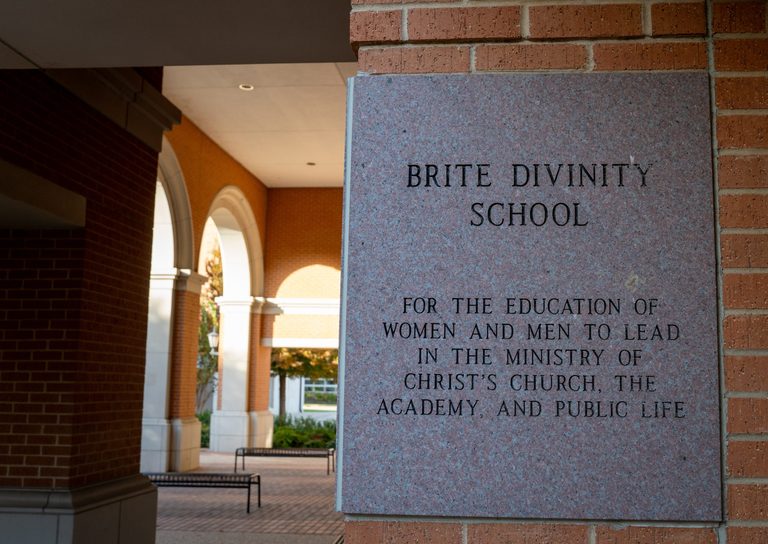
Fort Worth – On Oct. 20, a group of active‑duty and retired military chaplains met at Brite Divinity School to voice strong opposition to the Military Chaplains Modernization Act of 2026. The proposed legislation would let chaplains perform worship, counseling, sermons and other duties “in accordance with the chaplain’s sincerely held religious beliefs and the tenets of the chaplain’s religious‑endorsing organization.”
Local concerns about federal policy
“The bill prioritizes the chaplain’s belief system over the service member seeking care,” said Zachary Moon, director of chaplaincy studies at Brite. Moon warned that removing existing checks and balances could open the door to proselytizing – the act of trying to change a service member’s faith – within the ranks.
Moon explained, “If I want to be a chaplain to you, and my only commitment is to try to get you to believe the stuff that I believe, that immediately sets up a very different kind of relationship than it would be if I was really trying to meet you where you are and care for you.”
Veterans fear impact on unit cohesion
Among the attendees was Sharon Browne, an Army veteran who served 16 years as a chaplain. Browne recalled serving during the repeal of “Don’t Ask, Don’t Tell” in 2010 and warned that the bill could embolden chaplains who oppose LGBTQ+ service members. “When bullets fly, they don’t ask whether or not you are straight or gay,” she said. “So when I go into the foxhole, I’m not concerned about your orientation. I am concerned about whether or not you can shoot.”
Supporters cite religious liberty
Some religious groups and lawmakers view the act as a safeguard for chaplains’ religious freedom. David Trimble, president of the Religious Freedom Institute, argued, “America’s military chaplains fulfill many vital roles – first‑line diplomat, educator, adviser and minister – and the law must reflect this broad scope.” He said the bill would codify duties chaplains already perform and further protect their liberty.
Congressional sponsors
The legislation was introduced in the House by Rep. Keith Self, who represents North Texas districts including McKinney and Greenville, and in the Senate by Sen. James Lankford of Oklahoma. Both sponsors argue the bill clarifies the chaplain’s role and shields them from being forced to conduct services that conflict with their conscience.
Potential fallout for the chaplain corps
Moon expressed concern that the bill could backfire. “My fear is that the policies being proposed are actually going to threaten the whole collapse of the military chaplain corps because, frankly, commanding officers won’t tolerate chaplains who are working at odds with the mission,” he said. He warned that commanders might refuse to attach chaplains to units if they feel the chaplains are more focused on converting service members than on readiness.
Under the proposed language, military officials would be prohibited from ordering a chaplain to perform any ceremony, worship service or sermon that conflicts with the chaplain’s personal beliefs, and chaplains would be protected from punishment for refusing such orders.
Local faith community response
Brite Divinity School’s chaplaincy program plans to continue educating future chaplains on how to balance religious conviction with the diverse needs of service members. The school emphasized the importance of meeting service members where they are, regardless of creed, and urged lawmakers to consider the practical implications for unit cohesion and mission effectiveness.
Marissa Greene is the faith and fellowships editor at the Fort Worth Report. You can contact her at [email protected].
Original reporting: Fort Worth Report — read the source article.