Texas animal‑health officials are sounding the alarm as New World screwworm detections climb sharply during the current hunting season. Federal and state agencies say the parasite has now been confirmed in 24 counties and at 72 premises, prompting a call for hunters and outdoor enthusiasts to serve as extra eyes on the ground.
Rising numbers and expanding footprint
U.S. Department of Agriculture data show Texas recorded 15 screwworm detections in October, up from three in September, and another 22 cases in the first 11 days of November. The Texas Animal Health Commission confirms the outbreak now spans 24 counties, with at least one confirmed detection at 72 locations.
First wildlife cases identified by hunters
The first confirmed wildlife case in the current outbreak was discovered by a hunter who harvested an elk on a game ranch in Pecos County. The Texas Parks and Wildlife Department (TPWD) verified the finding on Oct. 21 after laboratory testing of a sample from the female elk returned positive for the parasite. A second elk case was confirmed in Jeff Davis County on Nov. 4, leading state officials to adjust an existing infestation zone in West Texas.
Why hunters matter
“We really need people to be our eyes out there,” said Rear Adm. Michael Schmoyer, associate administrator for the USDA’s Animal and Plant Health Inspection Service (APHIS). Schmoyer described hunters as a “force multiplier” for identifying possible infestations, especially in remote areas where wildlife is not regularly monitored.
The USDA has launched a dedicated resource page for hunters and outdoor enthusiasts, outlining how to recognize potential infestations and how to report suspected cases.
What to look for
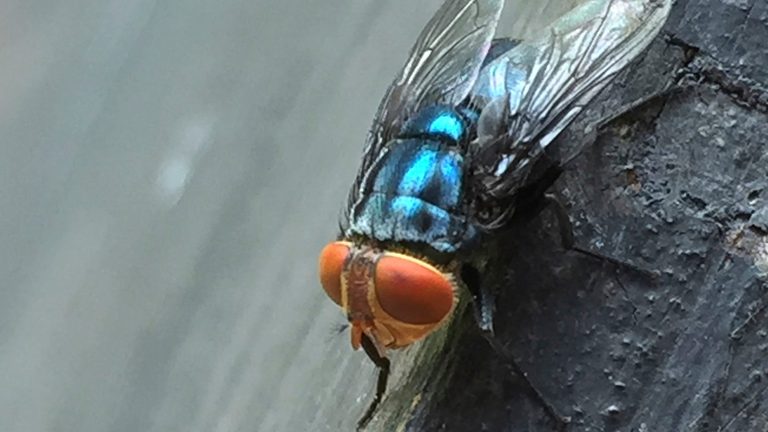
New World screwworm is a parasitic fly whose larvae feed on living tissue of warm‑blooded animals. Female flies lay eggs in open wounds or other vulnerable areas. When the larvae hatch, they burrow into the tissue, potentially causing serious injury or death if left untreated.
TPWD advises hunters to watch for signs such as unusual irritation, head shaking, foul‑smelling wounds, visible larvae, or animals isolating themselves from the herd. Before field dressing or moving a carcass, hunters should inspect harvested animals closely, paying particular attention to the eyes, ears, nose, mouth and any open wounds.
If a hunter suspects an infestation, officials recommend contacting a local TPWD wildlife biologist or calling 512‑389‑4505. Additional guidance is available through the USDA’s New World screwworm wildlife resources and the TPWD website.
Protecting livestock and public health
While the parasite has historically been a concern for cattle and other livestock, the recent wildlife detections underscore the broader risk to Texas’s agricultural economy and to public health. Early detection and rapid reporting are critical to containing the outbreak and preventing further spread.
State and federal agencies continue to monitor the situation closely and will adjust infestation zones as new data emerge. By partnering with hunters, the agencies hope to stay ahead of the parasite and safeguard Texas’s farms, ranches and natural resources.
Original reporting: Richardson, TX News (HLL/CB) — read the source article.