Oregon gardeners who want fresh fruit during the cold months and a splash of color in the autumn can plan their plantings now. While many yards already have summer‑bearing apples and Bartlett pears, adding winter‑bearing pears and curl‑resistant stone fruits offers a double benefit: edible harvests from December through April and striking orange, red, purple, and yellow leaves in the fall.
Why Choose Winter Pears?
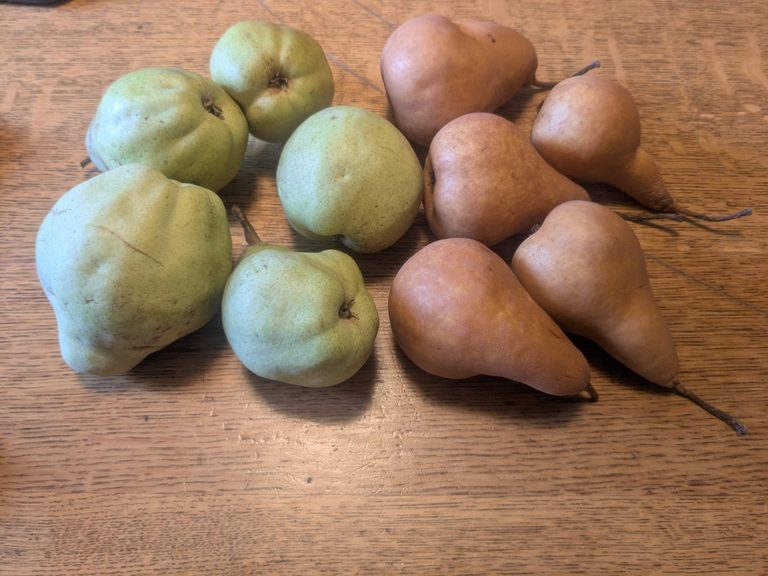
Winter pears – including Bosc, D’Anjou, Comice and Seckel – are harvested while still firm and then ripen off the tree. A simple test is to lift the fruit; if it comes away easily, it’s ready to pick. Summer Bartletts are typically harvested in August, while winter varieties are gathered from late September through October. After harvest, winter pears need a few weeks of chilling and can be stored in a refrigerator until April. When you want a ripe pear, remove it from the fridge and press the top gently; it should soften under a finger.
Peaches and Nectarines That Stand Up to Oregon Weather
Traditional peach trees often suffer from winter‑hardiness issues, but newer cultivars such as ‘Frost’ and ‘Oregon Curl‑Free’ have been bred to resist winter damage and the common curling disease. Nectarine selections like ‘Kreibich’ and ‘Pacific Pride’ share these traits, giving gardeners reliable fruit production without the need for extensive chemical sprays.
Harvest Timing and Storage Tips
Winter pears are available at different times. For example, Bosc pears are often ready to eat in mid‑winter, while Comice may not soften until January. Keeping a small supply of chilled pears in the back of your refrigerator ensures a fresh snack throughout the cold season. The same principle applies to peaches and nectarines: once harvested, they can be stored for a short period in a cool place, but they are best enjoyed soon after picking for optimal flavor.
Simple Planting Method for Bare‑Root Trees
Preparing a planting site for a bare‑root tree is straightforward. Dig a three‑foot‑diameter circle, lay a layer of cardboard at the bottom, and cover it with leaves or mulch. This method protects the roots, retains moisture, and suppresses weeds while the tree establishes itself. When spring arrives, plant the tree at the same depth it was growing in the nursery, water thoroughly, and mulch around the base.
Supporting Local Agriculture
Harry & David, a Southern Oregon company with a century‑long history of shipping winter pears nationwide, exemplifies the region’s strong agricultural heritage. By choosing varieties that thrive locally, home gardeners contribute to a market that supports family farms and preserves Oregon’s reputation for high‑quality fruit.
Benefits for the Whole Family
Beyond the nutritional value of fresh fruit, winter pears and colorful stone fruits provide a visual treat for families. Children can watch the changing foliage each fall, and the anticipation of a winter snack adds excitement to the season. Planting these trees also aligns with traditional family values of self‑reliance and stewardship of the land.
Getting Started
Local garden centers in the Eugene‑Springfield area typically carry the recommended varieties. Ask staff for winter‑bearing pear trees and curl‑resistant peach or nectarine cultivars. When you bring home your bare‑root trees, follow the simple planting steps above, water regularly during the first growing season, and enjoy a harvest that lasts well into the winter months.
By selecting winter pears and hardy stone fruits, Oregon gardeners can look forward to a bounty of fresh, home‑grown produce and a garden that remains vibrant from summer through winter.
Original reporting: Homepage – Lookout Eugene-Springfield — read the source article.