Mellander’s Bakery has been operating in Uniontown longer than most of its customers have been alive. Founded in 1939, the shop has outlasted two recessions, a wholesale shift in how Americans buy bread, and roughly four generations of Fayette County schoolchildren who grew up treating its donuts as a birthright. That kind of institutional staying power is rare anywhere. In a small western Pennsylvania city, it’s remarkable.
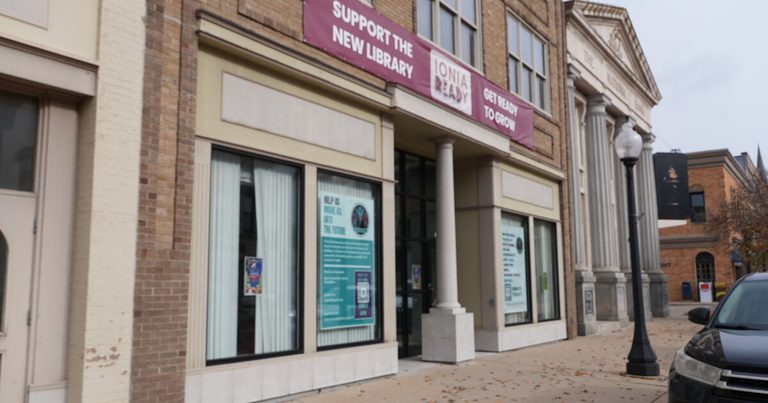
The bakery sits on Pittsburgh Street, a stretch that has seen its share of closings and transitions over the decades. Mellander’s hasn’t moved. On a weekday morning — a gray Tuesday in January, say, when downtown Uniontown is about as quiet as it gets — the lights inside are on early. The cases are already stocked. Glazed donuts, crullers, long johns, cinnamon rolls coiled tight and iced thick. The kind of baked goods that don’t need a backstory or a clever name on a chalkboard to sell themselves.
The staff works without theater. No pour-over ritual, no explanatory signage about sourcing. The coffee comes in a paper cup and it’s hot and it costs what coffee should cost. The donuts are made on-site, and the regulars — retirees, tradespeople stopping in before job sites, the occasional student — treat the counter like a neighborhood institution, which is exactly what it is.
What sets Mellander’s apart from the kind of boutique bakery trend that has spread through larger cities isn’t just age, though the age matters. It’s consistency. The glazed donut tastes the same as it did ten years ago. The crumb cake, sold by the slice or the whole sheet, has the same ratio of crumble to cake that loyal customers would notice immediately if it changed. There’s something genuinely difficult about maintaining that across decades, and Mellander’s does it without calling attention to the effort.
Pricing is exactly what you’d expect from a neighborhood bakery that hasn’t decided it’s a destination: a donut runs under two dollars, a full dozen won’t break five. A sheet cake ordered in advance for a birthday or church event is straightforward and reasonably priced, which is part of why local organizations keep coming back for them year after year.
The Saturday morning crowd is different from the weekday one. Families come in. Kids press their faces toward the cases. The line moves fast because the staff has been doing this long enough to run the counter efficiently. By mid-morning the most popular items are gone, which is both a limitation and a signal worth taking seriously: get there early if you want the full selection.
Mellander’s doesn’t have a robust social media presence or a website that would impress anyone. It doesn’t need one. Its regulars know the hours, know the parking situation on Pittsburgh Street, and know what they’re going to order before they walk in the door. For a visitor, that insularity is actually useful information — it means the place has earned its crowd without performing for one.
In a region with genuine culinary history, from coal camp cooking traditions to old-world Eastern European baking brought in by immigrant miners, Mellander’s represents a specific and durable piece of local food culture. It’s not trying to be anything other than what it is. After eighty-five years, that’s worth a stop.