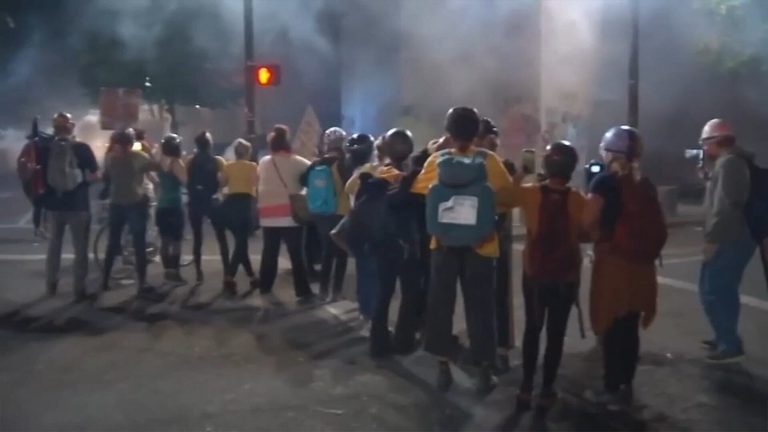
Multnomah County announced a $9.08 million settlement with former detainees who were exposed to tear‑gas and other chemical agents outside the county Justice Center during the summer of 2020. The agreement resolves a federal class‑action lawsuit that alleged the gas seeped into the jail’s ventilation system, affecting more than 900 people held in the downtown detention facility.
Background of the lawsuit
From May 29 to July 29, 2020, law‑enforcement agencies deployed tear‑gas and related chemicals almost nightly as protests erupted after the murder of George Floyd. Demonstrators gathered outside the Multnomah County Justice Center, and the county’s own crowd‑control tactics created a hazardous environment for those inside the detention center.
According to the complaint, the chemicals entered the building’s ventilation system, exposing detainees to a burning sensation in the eyes, skin, nose and throat, as well as difficulty breathing, coughing, nosebleeds and vomiting. Plaintiffs argued that the county failed to protect the health and safety of individuals it was legally obligated to detain.
Settlement details
The county’s settlement does not include an admission of liability. Instead, it provides monetary compensation to the class members, with the total amount of $9.08 million to be distributed among the more than 900 former detainees who filed claims. The agreement now awaits approval from a federal judge.
County officials emphasized that the settlement reflects a desire to bring closure to a painful chapter for the community while allowing the county to move forward with its ongoing public‑safety responsibilities. “We recognize the hardship many experienced during that turbulent period and are committed to addressing legitimate concerns,” a county spokesperson said.
Community response
Local advocacy groups have welcomed the settlement as a step toward accountability, though some argue that the amount does not fully compensate for the physical and emotional trauma endured. “No amount of money can erase the suffering caused by reckless use of chemical agents,” said a representative of the Portland Civil Liberties Union.
Others in the community view the settlement as a sign that local government can responsibly address past missteps without admitting fault, preserving the county’s ability to focus on current public‑safety challenges.
Implications for future policing
The case adds to a growing national conversation about the use of tear‑gas and other crowd‑control measures during protests. While the settlement does not set a legal precedent, it may influence how other jurisdictions evaluate the health risks of chemical agents in confined spaces.
Multnomah County officials have indicated that they will review existing protocols for crowd‑control and ventilation safety to prevent similar incidents. “Our priority is to ensure the safety of both the public and those in our custody,” the spokesperson added.
Next steps
The settlement will be presented to a federal judge for final approval. Once approved, the county will begin the process of distributing funds to the class members. The county also plans to release a detailed report on the incident, outlining lessons learned and any policy changes that will be implemented.
For detainees and families seeking more information about the settlement distribution, the county has set up a dedicated hotline and a website with FAQs.
Original reporting: KPTV FOX 12 Portland (news) — read the source article.