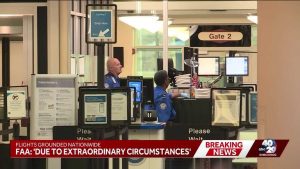
When a nationwide ground stop was declared, a student pilot on his inaugural solo cross‑country flight reached out to air‑traffic control for assistance. The young aviator, departing from Hicks Airfield in Fort Worth, Texas, was unsure how to proceed and asked the controller for guidance.
Radio exchange highlights safe handling
The recorded conversation began with the controller informing the pilot, “There is a ground stop nationwide. I advise you land your aircraft. Where would you like to land?” The student replied, “Ma’am, I’m a student pilot. Honestly, this is my first time doing solo cross‑country, and I don’t know what to do.”
After confirming the pilot’s departure point, the controller reiterated the safety recommendation, saying, “Landing at Hicks, I advise you land the airplane. There is multiple traffic in the vicinity of Hicks… both helicopters.” When the pilot asked if he could land at Hicks, the controller clarified, “You can change to advisory frequency at Hicks; I cannot give you clearance to that airport. Would you like to talk to approach?” The student chose to switch frequencies himself, noting, “No, I just changed frequencies, speak to them, and there’s nothing wrong with the airport itself? It’s just like nationwide?” The controller confirmed, “Affirmative, nothing wrong with Hicks Airport itself. You can change to advisory frequencies; just suggest you land the airplane.” The pilot concluded, “Will do, thank you so much, I’ll switch to Hicks now.”
Why the ground stop matters
A nationwide ground stop is an FAA safety measure that temporarily halts all non‑essential aircraft movements across the United States. Such actions are typically taken in response to weather concerns, air‑space congestion, or other safety‑critical events. By issuing the stop, the FAA aims to keep the skies clear while controllers assess the situation.
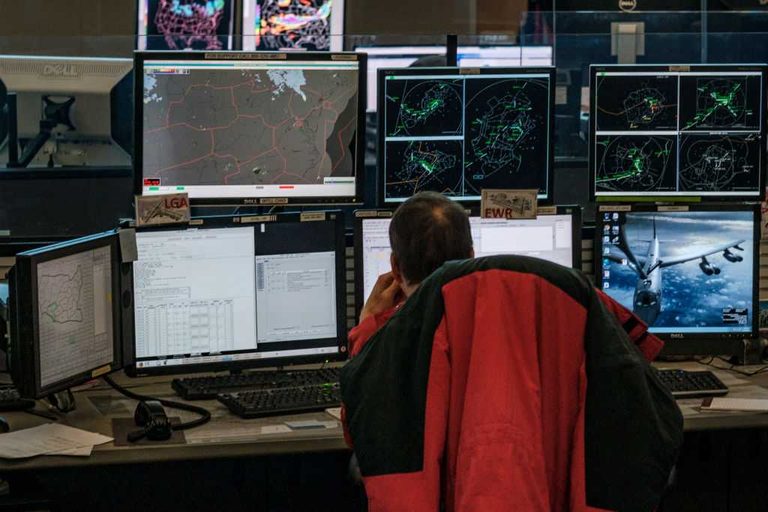
In this case, the ATC controller’s prompt advice helped the student pilot avoid potential hazards and ensured a safe landing at his home airport. The exchange demonstrates how air‑traffic control remains a vital safety net, especially for inexperienced pilots navigating unexpected disruptions.
Local relevance
Fort Worth’s aviation community benefits from the presence of multiple training facilities and small airports like Hicks Airfield. Incidents such as this underscore the importance of clear communication between pilots and controllers, reinforcing the region’s commitment to aviation safety and responsible training practices.
For student pilots and flight instructors in the area, the incident serves as a reminder to stay informed about national air‑traffic advisories and to maintain open lines of communication with ATC, especially during solo flights.
Original reporting: 40/29 / KHBS (NW Arkansas) — read the source article.