In a fascinating blend of archaeology and food science, researchers have baked sourdough bread using yeast strains revived from the 5,300-year-old remains of Ötzi the Iceman. Ötzi, discovered in 1991 in the Tyrolean Alps, has been a subject of scientific study for decades, revealing details about his health and lifestyle. Now, scientists from the Institute for Mummy Studies at Eurac Research have turned their attention to the microorganisms associated with his remains.
Reviving Ancient Microorganisms
The study, published in the journal Microbiome, involved temporarily thawing Ötzi’s remains, which are usually kept in conditions replicating the glacier that preserved him. Researchers collected samples from various sources, including melted ice and the mummy’s tissues, uncovering a mix of ancient and modern microorganisms. Among these were four strains of cold-adapted yeast, believed to have entered the remains shortly after Ötzi’s death around 3300 B.C.
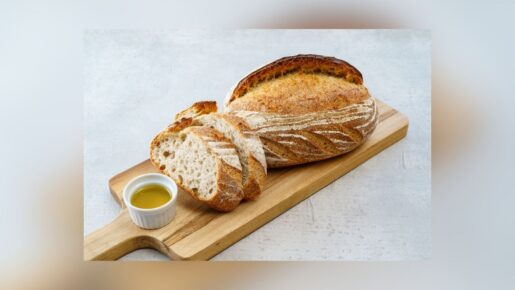
One yeast strain, Glaciozyma, showed dominance over time, suggesting it remained metabolically active under frozen conditions. The team successfully revived the yeast in the lab, using it to create a sourdough starter. After months of experimentation, they produced a loaf of bread, marking a significant achievement in understanding ancient microbiology.
Future Applications and Preservation Insights
The findings have implications beyond archaeology. The cold-tolerant yeasts could offer practical benefits in food production, as they remain active at lower temperatures, potentially saving energy in fermentation processes. Researchers are exploring further applications, including beer production, and are collaborating with food sector experts to expand their work.
This research also contributes to improving preservation techniques for frozen mummies, providing insights into how microorganisms adapt to extreme environments. As Ötzi is considered one of the most important archaeological findings, understanding its microbial inhabitants is crucial for ongoing preservation efforts.
Original reporting: The Dallas Express — read the source article.