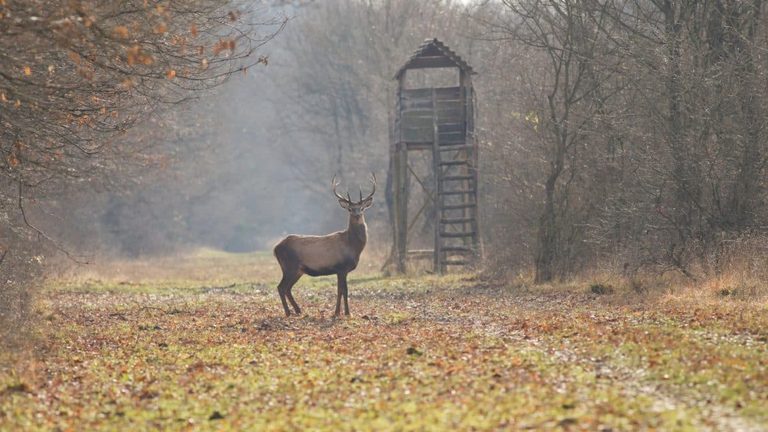
Wisconsin’s gun deer season runs Nov. 21‑29, and this year the American Heart Association is adding a vital reminder for hunters: know the warning signs of heart attack and stroke before heading into the field. Cold weather, strenuous activity, and limited access to medical care can turn a cardiac or cerebrovascular emergency into a life‑threatening situation.
Why Hunting Can Stress the Heart
Cold temperatures cause blood vessels to narrow, raising blood pressure and forcing the heart to work harder. For those unaccustomed to intense outdoor exertion, the combination of cold and physical demand can place extra strain on the cardiovascular system.
Know the Symptoms
According to the Association, classic heart‑attack signs include chest discomfort that feels like pressure, squeezing, fullness, or pain in the center of the chest lasting more than a few minutes or that comes and goes. Pain may also radiate to one or both arms, the back, neck, jaw, or stomach. Shortness of breath, cold sweat, nausea, or light‑headedness are additional clues. Stroke warning signs are captured in the B.E.F.A.S.T. acronym:
- B – Balance loss or sudden trouble walking.
- E – Eye changes, such as sudden vision loss.
- F – Face drooping or numbness on one side.
- A – Arm weakness or numbness.
- S – Speech difficulty, slurred speech or trouble understanding.
- T – Time to call 911 immediately if any appear.
Dr. Art Coffey, board president of the Milwaukee American Heart Association and chief medical officer of ProHealth Care, stresses that hunters should not dismiss these signs as ordinary fatigue. “If something doesn’t feel right, stop what you’re doing and seek help immediately,” he says.
Preparation Steps
Before the season, the Association recommends a conversation with a health‑care professional, especially for anyone with heart disease, high blood pressure, high cholesterol, diabetes, or a smoking history. Building up physical activity gradually in the weeks leading to the hunt is advisable rather than treating the first outing as a sudden, intense workout.
Hunters should also avoid moving heavy game alone. Using appropriate equipment or enlisting help can reduce strain. Knowing the location of the nearest emergency services and confirming cell‑phone coverage in the hunting area are essential safety measures.
What to Do in a Cardiac Emergency
Cardiac arrest differs from a heart attack; the heart stops beating suddenly. If a person is unresponsive, not breathing normally, or only gasping, call 911 right away and begin hands‑only CPR—push hard and fast in the center of the chest until help arrives. The Association encourages all hunters to learn this skill before the season.
Resources
For detailed information on heart attack and stroke warning signs, hands‑only CPR, and cardiovascular health, visit heart.org and stroke.org. Staying informed and prepared can make the difference between a safe hunt and a tragic outcome.
Original reporting: Kenosha.com — read the source article.