When the midterm election spotlighted everyday expenses, NBC 5 Responds asked its audience to weigh in on how rising prices are reshaping household budgets. Over a two‑week period in September, more than 1,000 respondents from across North Texas shared their adjustments.
Travel and Vacations Take a Hit
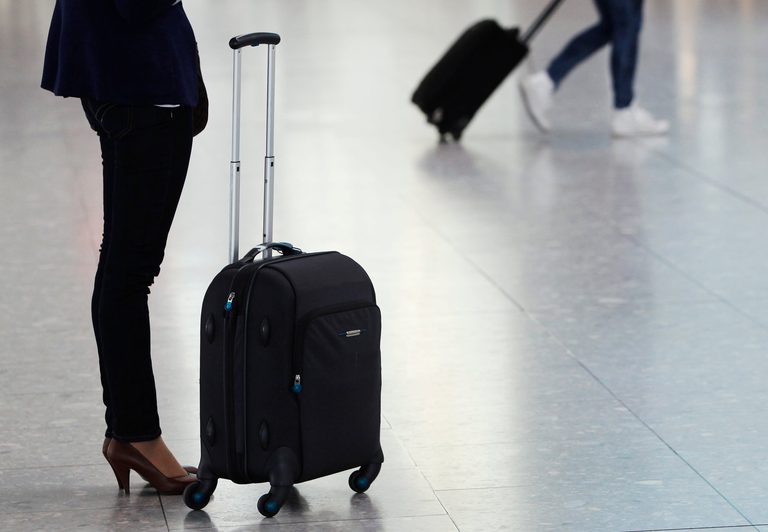
Among the most telling findings, 63% of participants said they are cutting back on travel or vacations, while 59% reported delaying or skipping trips altogether. The survey also showed that 76% are reducing dining out, 60% are scaling back entertainment, and 51% are tightening grocery spending.
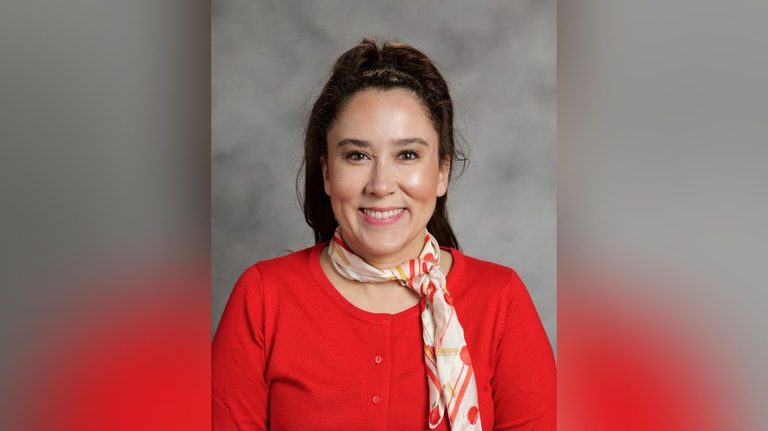
Fort Worth resident Courtney Garner Lewis, who describes herself as financially comfortable, explained the shift in her own words. “It’s getting my attention for things that I didn’t normally pay that much attention to,” she said. “When I look at things like dining out, clothing, vacations, it’s more of a thing. Do you really need this? Is it really worth the money? On vacations, we’re not taking extravagant vacations. Last year we went to Italy. This year, we’re not going to Italy.”
Airfare and Hotel Costs Soar
Travel industry expert Clint Henderson, managing editor at The Points Guy, confirmed that airfare has risen 20% to 30% year‑to‑date, driven by higher jet‑fuel prices. He added that baggage fees, redemption costs, and hotel rates have all climbed, creating an “inflationary” environment for travelers.
Henderson cautioned that the trend is likely to continue through the winter holiday season. He recommends flexible planning, such as traveling on less popular days—avoiding the Sunday after Thanksgiving and the Sunday after Christmas—to capture lower fares. “If you can be flexible to your dates at all, maybe spend an extra day at home for the holidays or leave a few days earlier than you normally would have, you can save hundreds of dollars that way,” he advised.
Family Adjustments Expected to Last
Lewis believes these budgeting changes are not temporary. “Diesel affects everything because everything is transported by diesel. So just kind of the crystal ball that I see? I don’t think it’s going to change. I think those adjustments will just have to be permanent,” she said.
The survey’s results underscore a broader pattern of prudent financial stewardship among Texas families, many of whom are choosing to prioritize essential needs and seek value in everyday purchases. By re‑evaluating discretionary spending, households are protecting their financial stability while still enjoying modest leisure activities.
What This Means for North Texans
Local businesses that rely on tourism and dining may feel the impact of reduced consumer spending, but the data also highlights opportunities for providers who can offer value‑oriented options. Restaurants, hotels and travel agencies that adapt pricing, promote off‑peak deals or bundle services stand to attract cost‑conscious customers.
As the cost of living remains a central concern for North Texans, the survey offers a clear picture of how families are responding: with careful budgeting, flexible travel plans, and a focus on what truly matters.
Original reporting: Dallas TX News (HLL/CB) — read the source article.