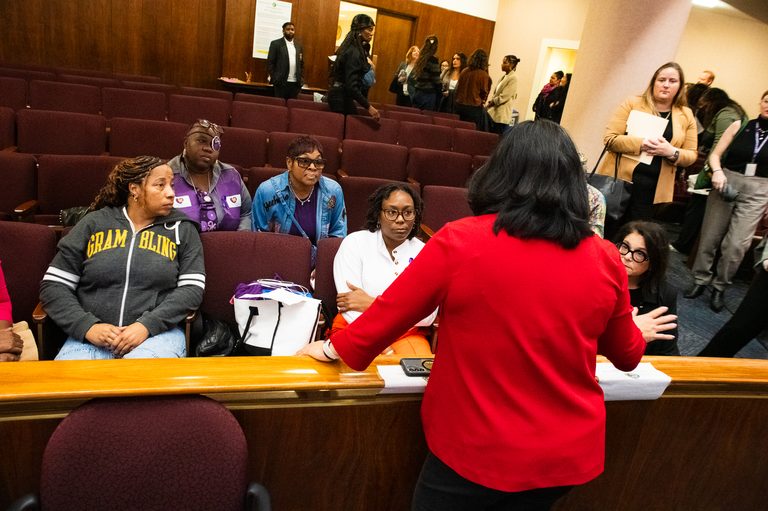
Chicago — On Thursday, the full 18‑member Committee on Police and Fire finally achieved quorum to examine the city‑funded Chicago Police Department (CPD) victim services program. The hearing, delayed after a quorum‑failure last month, took place amid the city’s budget deficit and growing demand for domestic violence and sexual assault assistance.
Background and Funding Overview
The program, which received a $3.9 million investment from the city, was created to connect survivors with community resources, develop safety plans, and provide immediate crisis support, including the Illinois Domestic Violence Hotline. According to the Office of Victim Services, more than 7,000 survivors received some form of assistance through the program last year.
Advocates Call for Reallocation
Domestic‑violence advocates argued that the funding would be better spent on long‑standing community organizations that have a proven track record. Life Span, a nonprofit legal‑aid provider, reported turning away 60 percent of survivors because of limited resources. Resilience, a rape‑crisis center, noted a 25 percent reduction in hospital‑based services and highlighted that it receives no city or Cook County funding.
“We get calls from people trying to help survivors, but without funds we’re forced to cover many costs out of pocket,” said Amy Fox, executive director of Life Span. “Our doors are closing while the need skyrockets.”
City Officials Defend the Program
Deputy Director of the Office of Victim Services Mike Milstein responded that the program and community groups are not mutually exclusive. “We should not create a false choice between the police program providing immediate support and community organizations offering in‑depth services,” Milstein said. “Both need adequate funding.” He emphasized that victim specialists, civilian employees of CPD, performed a range of services, from referrals to safety‑plan development.
Aldermen’s Perspectives
Alderman Nicole Lee (11th Ward) expressed gratitude that the full committee attended, noting the timing was appropriate during budget deliberations. “We must ensure money is spent as effectively as possible,” she said.
Alderman Jeanette Taylor (20th Ward) questioned whether the city should continue investing in a police‑run program when community groups have decades of experience. “People who have been doing this work for years can often do it better,” she remarked.
Volunteer supervisor Alex Martinez of Resilience left the three‑hour hearing feeling hopeful, citing the positive feedback from alderpeople. “I’ve done this work for five years; it’s so important to me. I wish everyone would take it as seriously and really prioritize listening,” Martinez said.
Looking Ahead
The hearing concluded without a definitive vote on funding adjustments, but the dialogue highlighted the tension between expanding city‑run victim services and bolstering established nonprofit providers. As the city navigates its budget deficit, both sides agree that survivors need reliable, well‑funded support.
Stakeholders plan to continue monitoring the program’s outcomes and will reconvene the committee later this year to assess progress and consider potential reallocation of resources.
Original reporting: Block Club Chicago — read the source article.