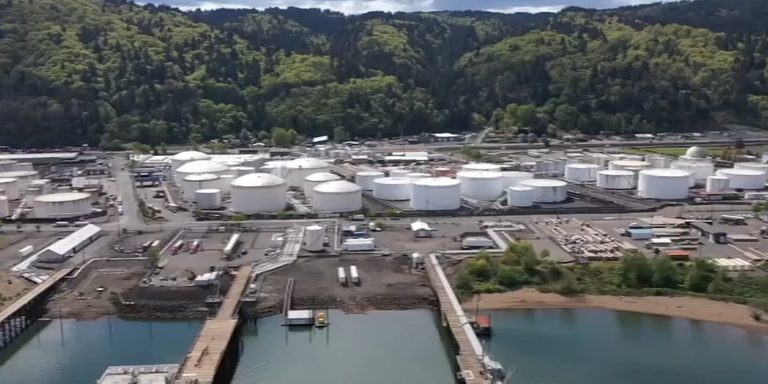
Portland residents will see a gradual reduction in the amount of gasoline and diesel stored along the Willamette River after the City Council approved two new ordinances on Wednesday, according to KPTV. The measures target the Critical Energy Infrastructure Hub – a six‑mile stretch of land near the St. Johns Bridge that houses more than 600 bulk‑fuel tanks supplying liquid fuel throughout Oregon.
The council’s action is intended to lessen the danger posed by the hub’s location on soil that could liquefy during a major earthquake. “The real solution here is ultimately moving storage to a place that is not the least safe place in our state to store this fuel,” councilor Elana Pirtle‑Guiney said.
While the ordinances do not set a specific timeline for relocating the hub, they do establish a goal of reducing the volume of fuel stored at the site by the year 2036. Officials highlighted that the reduction will help protect public health and mitigate the risk of a catastrophic release of fuel in the event of a seismic event.
Critics have raised concerns that cutting storage capacity could leave Oregon vulnerable to fuel shortages, especially since the state has no refineries of its own. The council acknowledged these worries but emphasized that the primary objective is to enhance safety while the state explores alternative supply strategies.
The ordinances now move to the mayor’s desk for final approval. If signed, the city will begin implementing the phased reduction plan, which will involve assessing current tank capacities and identifying safer storage locations outside the high‑risk zone.
What’s next: The mayor is expected to sign the ordinances within the next week. Portland’s emergency management team will then release a detailed schedule for the fuel‑reduction program, and a public hearing on potential relocation sites is slated for early 2027.