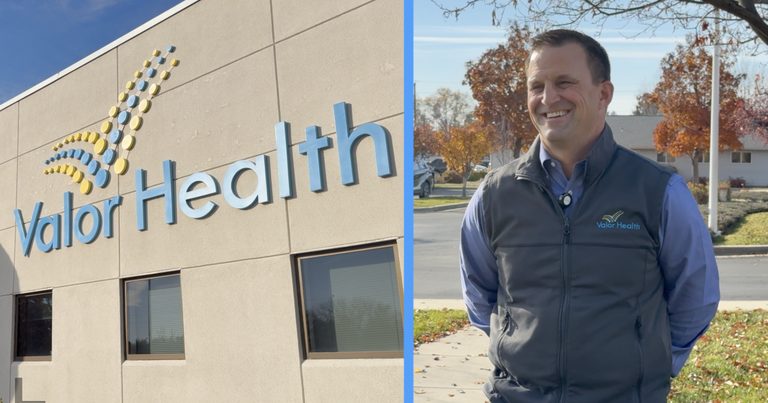
Valor Health in Emmett, Idaho, is gearing up for a major upgrade of its medical equipment and digital systems after being selected for the first round of the federal Rural Health Transformation Program. The hospital will use a portion of the $183 million second‑year allocation announced by Governor Brad Little to replace its aging 17‑year‑old CT scanner and to implement a new electronic health‑record (EHR) platform.
CT scanner replacement
Hospital CEO Brad Turpen said the first priority is purchasing a modern CT machine. “That’s probably the first purchase that we’re going to make is a new CT machine to replace our 17‑year‑old CT machine,” Turpen explained. The hospital is already evaluating proposals from vendors and planning the construction needed for installation.
Electronic health‑record system
The largest share of Valor Health’s first‑round funding is earmarked for a new EHR system. Turpen noted that the hospital is in contract negotiations with Providence Health System of Washington. “We expect to get a final contract signed with them, and then we’ll start the project management process, and that will go live in August of 2027,” he said.
Why local access matters
Turpen emphasized that reliable, nearby care is vital for Gem County residents who often lack reliable transportation. “We have a lot of folks who driving over the hill is just not feasible for them, and it’s not affordable. It’s impractical. They may not even have a vehicle, so having care that’s close to home is really important, especially for those vulnerable members of our population,” he said.
Future projects and challenges
Beyond the CT scanner and EHR, Valor Health is exploring upgrades to its surgical suite, laboratory equipment, and shared emergency‑operating‑room spaces. Unpredictable emergency‑room volume can create space constraints, and the hospital performs tens of thousands of lab tests each year, making equipment modernization a priority.
The first‑round funds must be spent by the end of September 2027, giving hospitals a limited window to complete projects. Idaho Hospital Association chief advocacy officer Toni Lawson noted that the timeline has been affected by the time needed for federal guidance, application review, and legislative approval.
Statewide context
Idaho has 26 critical‑access hospitals and one rural emergency hospital. Eight of these facilities did not receive first‑round funding and hope to be included in the second round. Lawson warned that while the funding creates new opportunities, many Idaho hospitals still operate with thin or negative margins and limited cash reserves, underscoring the ongoing financial pressures faced by rural providers.
Valor Health’s leadership says the hospital is already preparing its grant‑writing team for the next application cycle, aiming to maximize the federal support available to strengthen rural health care in Emmett and the surrounding community.
Original reporting: KIVI Idaho News 6 Boise metro (local) — read the source article.