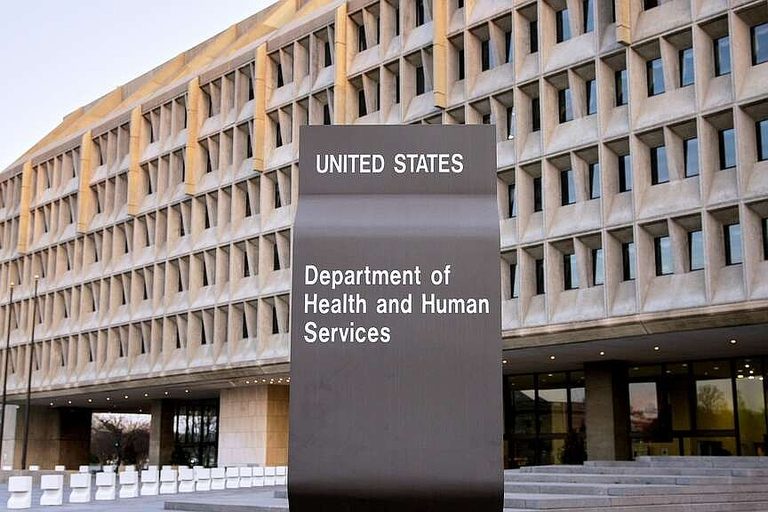
Less than two months after distributing the first round of Rural Health Transformation Program (RHTP) funds, Arkansas has been awarded a second installment of $207.7 million. The grant, announced by the U.S. Department of Health and Human Services for the federal fiscal year beginning Oct. 1, reflects President Trump’s ongoing commitment to strengthening rural health care nationwide.
Funding details and state comparison
The amount is only about 0.5% lower than the $208.8 million Arkansas received in the program’s first year, but because Arkansas has a smaller population the per‑resident allocation rises to roughly $66.70, far above the national average of $14.90 per resident in New Jersey and well above the $8.89 per resident Texas received.
Governor Sanders’ response
Governor Sarah Huckabee Sanders praised the infusion, saying, “We are appreciative that Arkansas received another major infusion of resources this year, and look forward to working with stakeholders around the state to invest in programs that support rural communities, build up the healthcare workforce, and promote healthier lifestyles.” While she declined to confirm whether the figure matched her expectations, she emphasized the grant’s role in advancing the state’s five‑year goal of securing $1 billion in federal health funding.
Planned uses of the money
State officials say the second‑year grants will fund a range of projects, including a $10 million upgrade to Arkansas’ ambulance fleet and a nearly $3 million contribution to a new family‑medicine residency program aimed at attracting physicians to northeast Arkansas. Additional funds will expand telehealth services and modernize rural hospitals.
Mississippi County Hospital System, for example, received roughly $9.6 million to improve facilities in Blytheville and Osceola. Hospital CEO Lacey Carter explained that a large portion of the money will bring back cancer infusion care, such as chemotherapy, at Great River Medical Center, reducing the need for patients to travel an hour to Memphis or Jonesboro for treatment.
Application timeline and oversight
The state Department of Finance and Administration will issue a notice of funding opportunity for the second‑year grants in early January. Communications Director Scott Hardin noted that a full timeline, including application deadlines and award announcements, will be released “in the near future.”
First‑year awardees have until the end of September to spend their funds, and they must reapply for subsequent years. Hardin cautioned that receiving a first‑year award does not guarantee a second‑year award, but the state hopes many will submit competitive proposals.
Expert commentary
Health policy analysts acknowledge that while the RHTP funds are substantial, they will offset only a portion of Medicaid cuts enacted through the One Big Beautiful Bill Act. The Kaiser Family Foundation estimates the grants could cover about 37% of projected federal Medicaid reductions in rural areas.
Harold Miller, CEO of the Center for Healthcare Quality and Payment Reform, warned that the program’s restrictions prevent the money from covering operating expenses at struggling hospitals. He also expressed skepticism about using telehealth for certain services, noting, “You can’t deliver a baby by telehealth, and you can’t stitch a wound or fix a broken bone with telehealth.” Miller emphasized that the program’s purpose is transformation, not merely short‑term subsidies.
Looking ahead
Arkansas will submit its quarterly progress report by the Nov. 30 deadline, providing the federal government with data on how the funds are being deployed. State officials remain optimistic that the RHTP will catalyze lasting improvements in rural health infrastructure, workforce development and patient access across the Natural State.
Original reporting: Texarkana Gazette — read the source article.