Cuyahoga County Council member Michael J. Houser Sr. argued that when taxpayers fund a development, the community should see a direct return. He sponsored an ordinance that took effect this summer, requiring any project that receives $1 million or more in county financial assistance to include a legally binding community‑benefits agreement.
What the ordinance covers
The new rule gives the county’s Community Benefits Advisory Committee the authority to review and recommend specific benefits for each qualifying project. Benefits can include affordable housing units in market‑rate developments, new green space or parks, and the creation of childcare facilities. The ordinance also encourages contracting work for local businesses, workforce‑development programs, mentorship and training partnerships.
First project under review
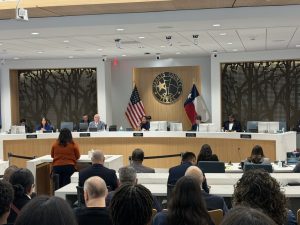
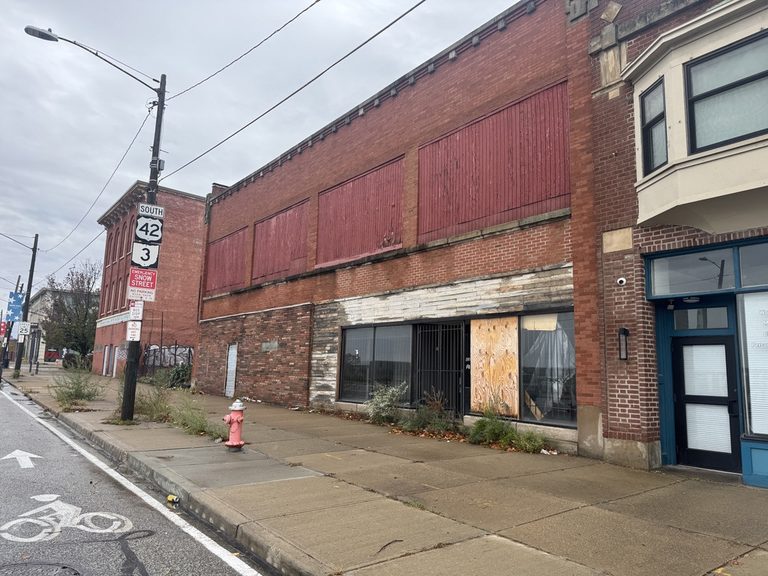
At the committee’s inaugural meeting on Nov. 2, representatives from law firm Flannery | Georgalis LLC presented a $1.24 million county loan used to redevelop a 120‑plus‑year‑old building on West 25th Street for the firm’s headquarters. The firm sought to incorporate its existing Cleveland community‑benefits agreement into the county’s new framework, effectively allowing the city agreement to serve double‑duty.
Rich Morehouse, the firm’s attorney, explained that the Cleveland pact already requires hiring city residents, using Cleveland‑based small, women‑owned and minority‑owned businesses, and providing pre‑apprenticeship slots for Job Corps participants and high‑school interns. “We are actually going to over‑achieve on this project,” Morehouse said, emphasizing the firm’s commitment to local hiring and small‑business involvement.
County officials weigh in
County Development Director Paul Herdeg cautioned that the advisory committee would not simply rubber‑stamp Cleveland’s agreement. He noted that while Cleveland’s established process offers a useful benchmark, each county agreement must be evaluated on its own merits.
Fiscal Officer Michael Chambers asked whether the county should “beef up” its own requirements, perhaps adding performance targets similar to Cleveland’s, such as a 20 % local‑worker‑hour goal or a 30 % subcontractor quota for local, women‑owned or minority‑owned firms.
Political context
Houser explained that the ordinance deliberately omitted language about women‑owned or minority‑owned businesses because of the Trump administration’s stance on Diversity, Equity and Inclusion policies at the federal level. He said the omission is “intentional because of everything that’s going on at the federal level right now,” but added that the ordinance can be revisited and amended in the future.
Committee composition and outlook
The seven‑member advisory committee is primarily made up of county officials, including Houser, Chambers, Herdeg, Housing and Community Development Director Anthony Scott, and senior advisor Sabrina Roberts. Community representatives include business owner Adrian Maldonado and Tania Menesse, CEO of the nonprofit Towards Employment, which helps “second‑chance” workers re‑enter the labor force.
Menesse stressed the importance of securing opportunities for low‑income residents and those impacted by the criminal‑justice system. “We’re heavily invested in ensuring that there are opportunities for low‑income residents and second‑chance workers to be part of construction projects in the county,” she said.
Committee decision
After deliberation, the committee voted unanimously to adopt Cleveland’s agreement as part of the county’s own contract with Flannery | Georgalis, while retaining oversight to ensure the project meets the agreed‑upon terms. The vote signals the committee’s willingness to recognize good work done by neighboring municipalities without becoming a mere “rubber stamp.”
Houser noted that the advisory committee will likely review several more projects in the coming year, using the first vote as a template for future community‑benefits negotiations.
Original reporting: Signal Cleveland — read the source article.