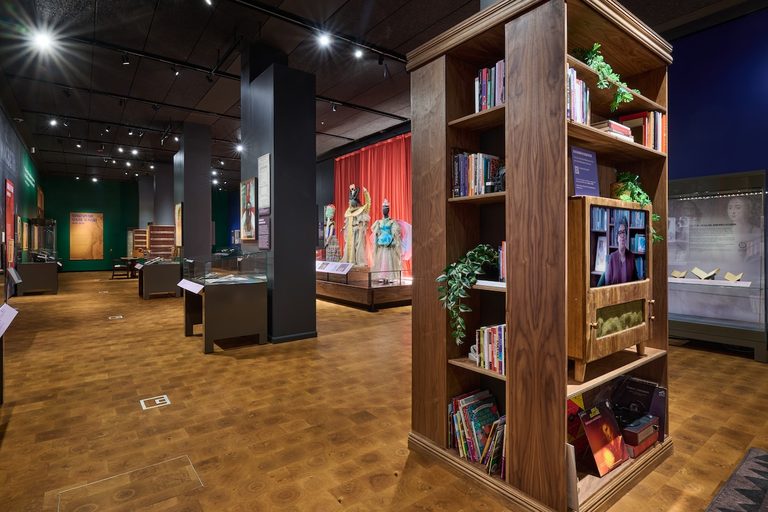
The Folger Shakespeare Library in Washington, D.C., has opened a new exhibition titled “To Hear Her Speak: Black Women and Shakespeare.” Running from October 16 through May 2, the show is the first museum effort to document the long‑standing relationship between Black women and the works of William Shakespeare.
Historical and contemporary perspectives
Curated by Dr. Patricia Akhimie, director of the Folger Institute, the exhibition draws on objects ranging from early‑modern London to the present day. Visitors can explore how Black women have been referenced in Shakespeare’s sonnets—particularly Sonnets 127 and 130—and how those references helped shape enduring racial stereotypes.
“In our present moment, just as in the past, Black women are deeply imbricated within Shakespeare as literature,” Akhimie wrote in the exhibition catalog, adding that the exhibit asks visitors to consider how they will bring the lives and experiences of Black women to bear on Shakespeare‑making.
Why the omission matters
Scholar Verónica E. Betancourt notes that Shakespeare largely omitted Black women from his plays, not because of the demographics of early‑modern London, but as an authorial choice. Despite that omission, Black women over four centuries have turned to Shakespeare’s texts to assert their intelligence and humanity on stage.
Featured voices and artifacts
The exhibition also highlights objects linked to modern figures who have engaged Shakespeare’s work, including Maya Angelou, Toni Morrison and contemporary poet‑performer Kennedi Carter. Their contributions illustrate how Black women continue to reinterpret and revitalize Shakespeare for new audiences.
Located in the nation’s capital—a city steeped in the history of Black women’s literary and theatrical contributions—the Folger hopes the exhibit will both enlighten and inspire visitors.
For more information, visit folger.edu.
Original reporting: The Washington Informer — read the source article.