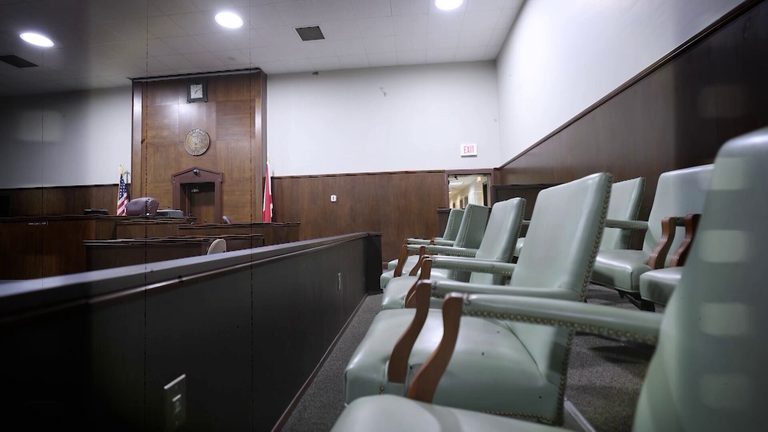
Arizona is at the center of a growing national conversation about whether betting on the outcomes of criminal trials should be prohibited. Platforms such as Polymarket have attracted more than $1.4 million in trading volume on contracts tied to high‑profile cases, including the murder trial of Tyler Robinson, accused of killing political activist Charlie Kirk, and the pending verdict in the Lindsay Clancy case, where a jury deadlocked and a mistrial was declared.
Local concerns about influence and integrity
Litigation consultant Theresa Zagnoli, owner of ZPersuasion, warned that a financial stake could create pressure on jurors, witnesses or court staff. “If someone can profit from a conviction, how do we keep them from calling a relative to place a wager?” she asked.
Trial consultant Jo‑Ellan Dimitrius echoed the worry, noting that the risk is not limited to jurors. She suggested attorneys might ask prospective jurors whether they—or anyone close to them—have placed a prediction‑market bet on the case, though she cautioned that such questioning could unintentionally introduce the concept to otherwise unaware jurors.
Legal experts weigh in
Harry Crane, a statistics professor at Rutgers University who studies prediction markets, estimates that 20‑40 % of offshore Polymarket trading volume originates from within the United States. He derived the range by analyzing blockchain patterns, though he stressed the figure does not represent the exact number of American bettors or the proportion of activity on trial‑outcome contracts.
Crane argues that a domestic ban would not eliminate the markets; they could simply shift offshore, and a sizable share of current activity already comes from U.S. participants.
Arizona’s existing safeguards
David Euchner, president of Arizona Attorneys for Criminal Justice, said judges already instruct jurors to avoid outside information, which likely covers prediction‑market bets. He added that a juror found to have wagered could be removed and possibly face charges, depending on the evidence and applicable law.
Governor Katie Hobbs signed an executive order in July prohibiting covered state employees from using nonpublic information for personal profit, including prediction‑market contracts. The order applies to the governor’s office and many state agencies, though certain boards and commissions are exempt.
Chief Justice Ann Scott Timmer of the Arizona Supreme Court reminded judicial employees that existing conduct rules already forbid using nonpublic information for personal gain, including sharing that information with others for betting purposes.
Other states’ approaches
Tennessee recently enacted a felony law making it illegal to intentionally influence an event for financial gain when the influencer is a party to a prediction‑market contract. The law took effect this year.
In Minnesota, a federal judge issued a preliminary injunction blocking state officials from enforcing a state prediction‑market law against federally registered contract markets, citing likely preemption by federal law.
Possible paths forward
Zagnoli favors making trial‑outcome markets illegal as the safest solution. Others, like Crane, suggest limiting trading after closing arguments, though he admits that would not be a perfect fix.
As the debate continues, Arizona’s legal community and policymakers must balance protecting the fairness of the judicial process with preserving lawful, voluntary market activity. The outcome could set a precedent for other states grappling with the same issue.
Original reporting: azfamily KTVK/KPHO Phoenix (news) — read the source article.