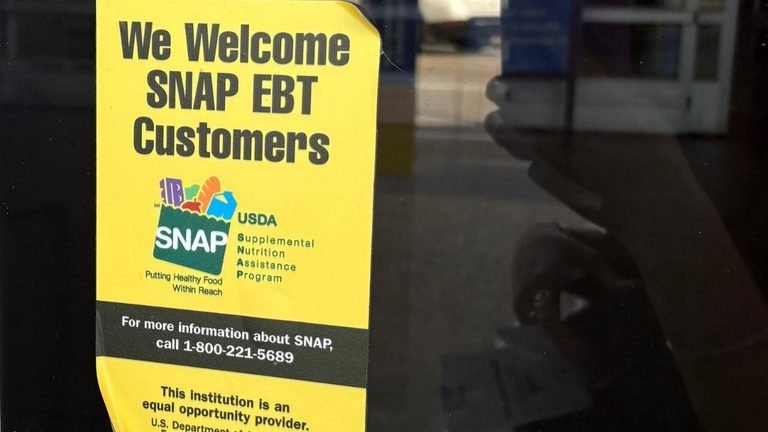
Rapid City, SD – A recent study by financial‑technology firm SmartAsset reveals a notable decline in the number of South Dakota residents relying on the Supplemental Nutrition Assistance Program (SNAP). Between 2025 and 2026, participation fell 6.8%, even as the average monthly benefit amount increased by 1.5%.
Statewide numbers and national context
SmartAsset’s analysis, which used the latest federal SNAP data through May 2026, estimates that roughly 8% of South Dakota’s population currently receives SNAP assistance. This drop mirrors a broader national trend: 49 states reported lower enrollment, with Alaska the only state showing an increase.
Nationwide, about 36 million Americans were enrolled in SNAP in mid‑2026, down from nearly 42 million the previous year. While enrollment declined in most states, 22 states saw a rise in average monthly benefits, reflecting cost‑of‑living adjustments and variations in household size.
Policy changes under the One Big Beautiful Bill Act
The study points to the One Big Beautiful Bill Act as a key factor behind South Dakota’s reduced participation. The legislation, enacted by the Trump administration, expanded federal work requirements for certain SNAP recipients and shifted a larger share of program costs to the states.
Specifically, the law broadened work requirements to include adults ages 55‑64 and some parents with children ages 14 and older. It also eliminated several exemptions that previously applied to veterans, individuals experiencing homelessness, and former foster youth under age 25.
Impact on families and communities
Although fewer people are enrolling, those who remain on the program are receiving slightly higher payments. The 1.5% increase in average benefits helps offset rising grocery prices for many low‑income families, but advocates warn that tighter eligibility could leave vulnerable households without a safety net.
New Mexico leads the nation with more than 20% of its residents enrolled in SNAP, while Utah and neighboring Wyoming report the lowest rates at just over 4%.
What the data means for South Dakota
State officials and community leaders are watching the trends closely. The decline suggests that the expanded work requirements are having the intended effect of encouraging employment among certain age groups, a core goal of the One Big Beautiful Bill Act. At the same time, the modest rise in benefit amounts reflects ongoing adjustments to ensure the program remains responsive to cost‑of‑living pressures.
Local policymakers may consider additional measures to support those who fall outside the new eligibility criteria, such as targeted outreach or supplemental state‑funded assistance, to preserve the well‑being of families that rely on SNAP.
Looking ahead
Future SNAP data releases will reveal whether the downward enrollment trend continues and how benefit levels evolve. For now, the study underscores the importance of balancing work‑requirement policies with adequate support for low‑income households across South Dakota.
Original reporting: KOTA (Gray) – local — read the source article.