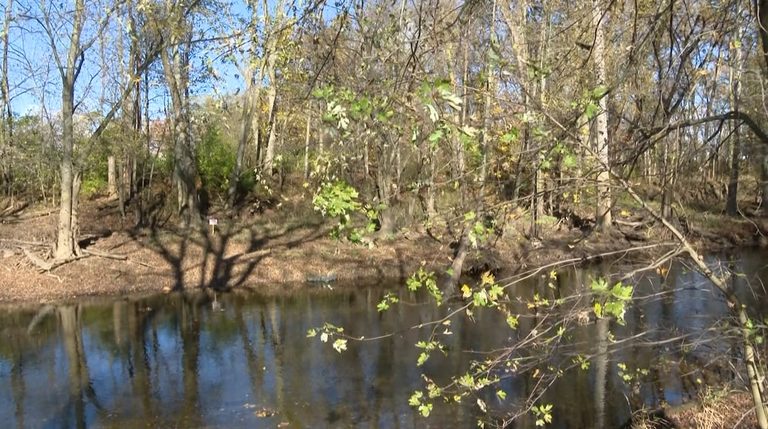
Findlay, Ohio – The city has secured a $24 million grant from the Federal Emergency Management Agency (FEMA) to restore hundreds of acres of the Blanchard River corridor to native wetlands. The effort, part of a broader watershed partnership, aims to improve water quality, reduce flood risk, and protect the drinking water supply that ultimately flows into Lake Erie.
Why wetlands matter
Wetlands act as natural sponges, absorbing excess rainwater, slowing runoff, and filtering pollutants before they reach larger waterways. By re‑establishing these ecosystems along the Blanchard River, the project will help keep the Maumee River—and the downstream Lake Erie—cleaner and healthier.
Local leadership and expertise
Bob Connour, a science professor at Owens Community College, has spent more than two decades advocating for the river’s health. Connour helped found the Blanchard River Watershed Partnership in 2005, a coalition focused on conservation, education, and wetland restoration. “The restored wetland that we’ve got over here… helps filter the water, helps hold some water so the water doesn’t just rush into the river every time it rains,” he explained.
Project scope and past work
The FEMA‑funded work will target multiple sites, including the Liberty Landing area where reforestation and flood‑plain restoration began more than five years ago. Connour has been involved in similar projects stretching from Findlay to Bluffton and Ottawa, demonstrating a regional commitment to watershed health.
Connecting local actions to regional benefits
“This water right here is going to end up in Lake Erie, and so what happens down here takes a buy‑in of people to realize, ‘Hey, this affects us all. This is something that we all depend on,’” Connour said. Toledo, which draws its drinking water from Lake Erie, stands to benefit from cleaner inflows.
Community involvement
The partnership also organizes river clean‑ups that remove trash, old tires, and other debris. Connour emphasizes that the goal is to help residents recognize the value of their own backyards: “You want to build this idea of, ‘Hey, this is important. I didn’t even know that was there, but maybe this is worth not throwing trash and tires in. Maybe this is worth taking care of.’”
Looking ahead
With FEMA funding secured, the city will move forward on design, permitting, and construction phases over the coming months. Local officials anticipate that the restored wetlands will not only improve water quality but also provide habitat for wildlife and recreational opportunities for residents.
Stakeholders are encouraged to stay informed through city council updates and partnership newsletters, ensuring that the community remains engaged as the project progresses.
Original reporting: 13abc WTVG Toledo (news) — read the source article.