On Thursday, the Kansas City Planning Commission formally denied a proposal to demolish the existing structure at 934 Central Street and erect a 20‑story data center in the heart of downtown. The decision reflects months of organized opposition from neighborhood residents who argued the project would bring little benefit to the community and could strain local resources.
Local opposition drives the outcome
Community members have been vocal at every stage of the review process, attending public hearings and submitting written comments. “We want to know the long‑term impact of not having data centers in our city,” said Kirsten Horton, a spokesperson for the developers. While Horton did not immediately reject the commission’s ruling, she emphasized the need for a balanced discussion about how such facilities can serve the public good.
Council members consider future safeguards
Several Kansas City council members expressed support for studying policies that would ensure any future data center projects provide clear community benefits. They suggested requirements such as local hiring commitments, infrastructure upgrades funded by developers, and transparent reporting on energy usage.
Sen. Josh Hawley calls for a national pause
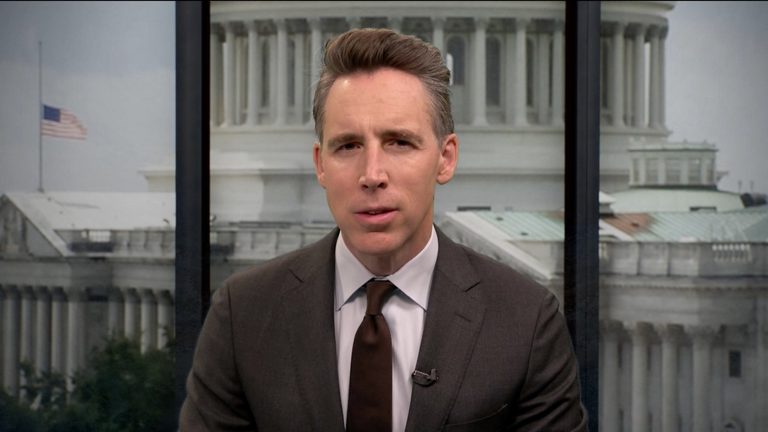
In response to recent local votes in Ottawa and other Kansas municipalities that placed bans on data center construction, Republican Sen. Josh Hawley posted on X, urging Congress to impose a nationwide moratorium on new data centers. Hawley argued that a federal “bill of rights” is needed to guarantee taxpayers that data center operators will not impose unexpected rate increases or other hidden costs.
A spokesperson for the senator clarified that the proposed moratorium would remain in place until legislation provides explicit taxpayer protections. “Senator Hawley is not opposed to data centers per se; he wants safeguards that protect American families and ensure responsible development,” the spokesperson said.
What this means for Kansas City
The commission’s denial does not close the door on all data‑center‑related development, but it does signal that the city will scrutinize such projects more closely moving forward. Developers will likely need to present detailed plans that address community concerns, including environmental impact, traffic, and economic benefits.
City officials have indicated they will continue to work with residents and industry stakeholders to develop a framework that balances technological growth with the values of traditional families and local liberty. The next steps include a public workshop scheduled for early December, where citizens can provide input on any revised proposals.
Broader implications
Hawley’s call for a federal pause adds a national dimension to a debate that has already taken root in several Midwestern communities. If Congress were to act on his proposal, it could reshape the landscape for data‑center construction across the United States, potentially slowing the rollout of high‑capacity computing facilities until clear consumer protections are codified.
For now, Kansas City residents can take pride in a local government that listened to their concerns and acted to preserve the character of downtown. The decision underscores the importance of civic engagement and the power of community voices in shaping the future of their neighborhoods.
Original reporting: KSHB 41 Kansas City (local) — read the source article.