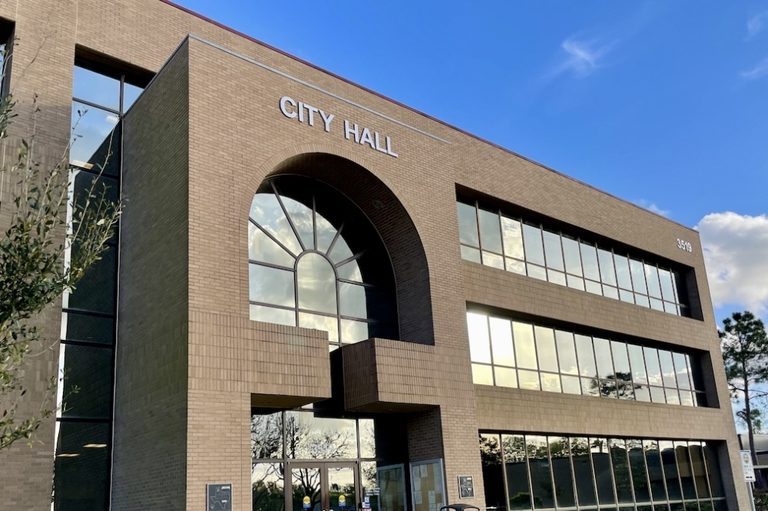
At a special meeting on Nov. 9, Pearland City Council discussed the upcoming conclusion of the Shadow Creek Ranch Tax Increment Reinvestment Zone (TIRZ) and what it means for local taxpayers. The 30‑year, 3,500‑acre TIRZ, created in 1998, has funded roads, water and other infrastructure by capturing the incremental increase in property values within the zone.
What happens when the TIRZ ends?
City documents show the TIRZ will terminate at the end of 2028, with all outstanding debt‑service payments and reimbursements due by Sept. 2029. Because the zone currently represents roughly 25 % of Pearland’s total assessed property value, its expiration will return that captured value to the city’s overall tax base. In practical terms, the larger tax base could lower the portion of the voter‑approval tax rate that goes to debt service, potentially bringing the overall rate below the “no‑new‑revenue” threshold.
Potential benefits and cautions
Deputy City Manager Victor Brownlees said the city now has an opportunity to reduce the overall property‑tax rate while preserving flexibility for operations and future infrastructure projects. A lower rate would ease the cost‑of‑living burden on residents, a priority highlighted by Councilmember Clint Byrom, who urged the council to focus on affordable water, wastewater and property taxes.
However, Brownlees cautioned that a steep rate cut could limit the city’s ability to fund new projects without returning to voters for approval. The council is therefore exploring a gradual reduction strategy that balances immediate tax relief with long‑term fiscal stability.
Council perspectives
Byrom emphasized that “reducing the cost of living in Pearland should be a priority, including lowering water rates and wastewater treatment costs. We know there are things we are behind on. Do we continue to stay behind or do we leverage some of it to help catch up while also providing tax relief?”
Councilmember Rushi Patel added that residents should have a voice in how the city uses its financial capacity, including decisions about public‑fund spending and the possibility of a bond election.
Next steps
City officials will continue to refine their analysis and discuss policy options with council members over the next six to eight months. The final strategy will be presented to the council before the end of the year, giving Pearland’s residents and business owners time to weigh in on the preferred path forward.
As the TIRZ winds down, Pearland’s leaders are tasked with balancing tax relief for families, responsible debt management and the continued delivery of essential services that support the city’s growth and quality of life.
Original reporting: Community Impact — Houston — read the source article.