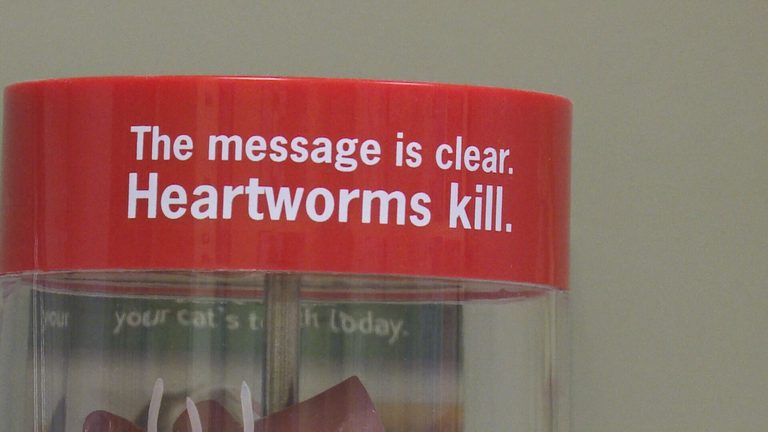
Springfield, Mo. – Local veterinarian Dr. Philip Brown of the Animal Care Center has observed a noticeable rise in heartworm disease among dogs over the past month. He attributes the uptick to changing weather patterns that have created favorable conditions for mosquito populations, the primary carriers of the parasite.
Why heartworm cases are climbing
“We have seen an increase in the heartworm‑infected dogs at this point, probably because in the spring we had rain, more mosquitoes; we had the hot, dry spell, fewer mosquitoes. Now we’re back into moisture, and we’re getting some mosquitoes again,” Dr. Brown explained. Mosquitoes become capable of transmitting heartworm larvae roughly two weeks after biting an infected animal, making timely prevention essential.
Understanding the disease
Heartworms grow to about 12 to 16 inches in length, enough to block a dog’s pulmonary artery. When the artery is obstructed, fluid backs up into the heart, leading to severe respiratory distress. The parasites also damage lung tissue and can cause kidney and liver complications. The only reliable way to detect an infection is through a blood test performed by a veterinarian.
Prevention saves money and lives
Dr. Brown emphasizes that preventive medication is far more economical than treating an established infection. “We as veterinarians understand the economics of this, but I can guarantee you the treatment costs more than the preventative,” he said. Preventive options include chewable tablets that can be administered daily or monthly, providing a simple routine for pet owners.
What to do if your dog is diagnosed
Should a dog test positive for heartworms, Dr. Brown advises owners to limit intense exercise immediately and prepare for a treatment regimen that can last about a year. Early detection and prompt treatment improve the chances of a full recovery.
How pet owners can protect their animals
Residents are encouraged to keep their pets on a regular preventive schedule, especially during mosquito‑heavy periods. Reducing standing water around homes, using pet‑safe insect repellents, and checking local mosquito advisories can further lower risk.
For more information or to schedule a heartworm test, Springfield pet owners can contact the Animal Care Center at (555) 123‑4567 or visit their website.
Original reporting: KY3 Springfield (local) — read the source article.