When Professor Michael Maslanka began his lecture at the University of North Texas at Dallas College of Law last month, he never expected the lesson to turn into a real‑life demonstration of emergency response. Mid‑sentence, he felt his vision blur, announced he could not continue, and then collapsed onto the classroom floor.
Students act quickly
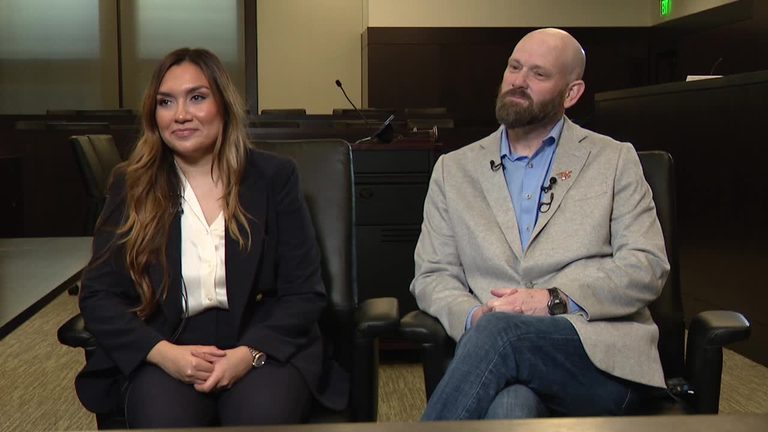
Law student Daniella Sanchez was the first to react. She immediately called 911 and, invoking her faith, placed her hand over the professor, saying, “Father God, in the name of Jesus, I declare healing and victory over this body.”
Classmate Matthew Melton, a Navy SEAL veteran, recognized the seriousness of the situation and began chest compressions. “Once he stopped breathing, I knew something had to happen now,” Melton recalled. He performed three rounds of CPR, eventually eliciting a response that signaled the professor’s heart was restarting.
Paramedics arrive, professor stabilizes
Paramedics arrived shortly after the students’ efforts and rushed the 73‑year‑old professor to a Dallas hospital. Doctors were able to stabilize him, and he later thanked the students for their quick thinking and bravery.
Why the incident matters
UNT Health physician Jeff Beeson said the episode underscores the importance of CPR training for everyone, especially in educational settings. “It’s that easy to save a life,” Beeson noted, adding that the students’ calm, deliberate actions reflected the very skills law students are taught to apply in high‑pressure situations.
Melton, who likened the training of Navy SEALs to the discipline required of lawyers, said the experience reinforced the value of thinking like a SEAL—focused, methodical, and ready to act. “They were calm. They were deliberate and they thought like lawyers. I’m very proud of them,” Maslanka said after his recovery.
Community response
The incident has resonated across the UNT Dallas community, highlighting both the practical benefits of emergency‑medical education and the role of faith in moments of crisis. Students and faculty alike have praised the collaborative effort that blended professional training with heartfelt prayer.
UNT Dallas plans to review its emergency‑response protocols and explore additional training opportunities for students and staff, ensuring that the campus remains prepared for any future medical emergencies.
Original reporting: Dallas – Ft. Worth Feed (HLL/CB) — read the source article.