Denver became the focal point of national Democratic strategy on Thursday as the newly formed Majority Democrats organization hosted the two‑day “What’s Next” conference. The event drew elected officials, campaign staffers, and rising party talent to discuss how to translate the party’s historic midterm gains into governing action.
Conference agenda and speakers
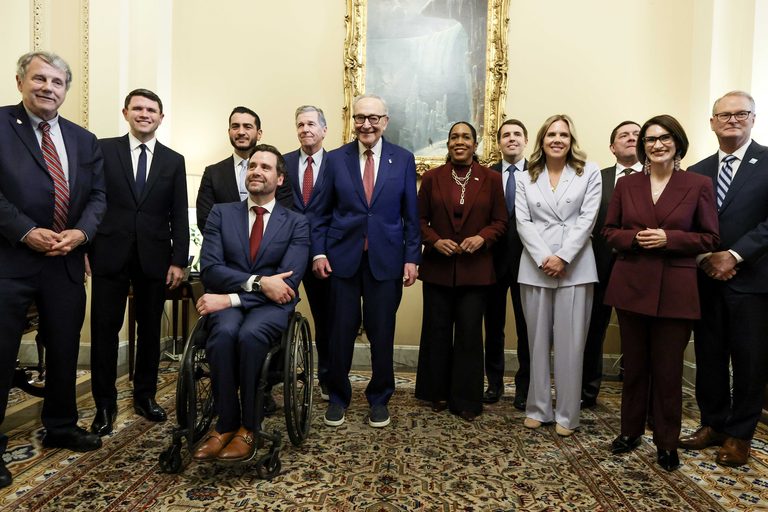
The schedule featured newly elected members such as Texas Sen.-elect James Talarico and Iowa Sen.-elect Josh Turek, alongside potential presidential contenders including former Transportation Secretary Pete Buttigieg, New Jersey Sen. Cory Booker and Pennsylvania Gov. Josh Shapiro. Party leaders, notably likely next House speaker Hakeem Jeffries, also appeared on the roster, signaling the conference’s role as a showcase for both established and emerging voices.
Local backdrop
Mayor Mike Johnston opened the gathering with a remarks emphasizing Denver’s growing reputation as a political hub. “America tried on hate, and it didn’t fit,” Johnston said, underscoring the city’s desire to be seen as a modern example of a purple state turning solid blue. Denver, which last hosted a national party convention in 2008, is again positioning itself as a contender for the Democratic Party’s 2028 convention.
Majority Democrats’ mission
The Majority Democrats group presented itself as a bridge between the party’s traditional left‑center factions, aiming to move beyond the ideological battles that intensified after the 2024 election, which returned President Donald Trump to the White House. The organization highlighted a generational shift, noting that the speaker lineup skews noticeably younger and focuses on policy over partisan infighting.
Strategic implications
With Democrats now holding majorities in both chambers of Congress and control of at least twelve new state legislative chambers, the conference served as a planning ground for translating electoral success into legislative achievements. Attendees discussed priorities ranging from infrastructure investment to education reform, while also addressing internal concerns about the party’s Washington power structure.
Looking ahead
As the conference concluded, participants emphasized the need for unity and disciplined governance to deliver on promises made to voters. The event’s outcomes are expected to shape the Democratic agenda heading into the 2028 election cycle, as the party seeks to solidify its governing record while navigating a political landscape defined by a resurgent Trump administration.
Original reporting: WESH Orlando — read the source article.