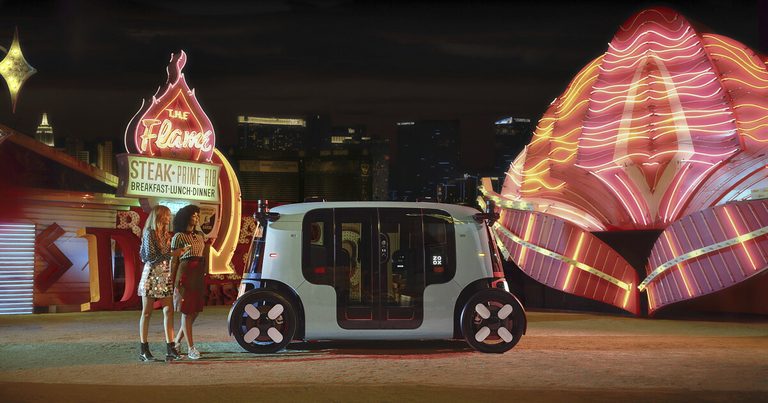
Las Vegas residents and visitors will soon see more Zoox robotaxis cruising beyond the famous Strip. The Amazon‑owned autonomous‑vehicle company announced that its fleet will begin serving downtown Las Vegas and the nearby Arts District, providing an additional transportation option for commuters, tourists, and local businesses.
New routes and longer hours
Zoox originally launched its driverless service along the Strip, connecting major landmarks such as Harry Reid International Airport, the Sphere and T‑Mobile Arena. The latest expansion adds designated pick‑up and drop‑off zones in the central business district and the vibrant Arts District, areas that have long relied on traditional rideshare services.
In addition to the geographic growth, Zoox is extending its operating window. Vehicles will now be on the road seven days a week, from 6 a.m. until 3 a.m., giving riders more flexibility for early‑morning flights, late‑night events, and everything in between.
From free rides to distance‑based fares
When Zoox first entered the market, rides were offered free of charge as a promotional trial. In August, the company shifted to a fare structure that charges riders based on the distance traveled and the time spent between pickup and drop‑off. This model aligns Zoox with other mobility providers while still emphasizing the convenience of a driverless experience.
Competition and community response
Zoox is not the only autonomous‑vehicle player in Nevada. Waymo, another major developer of self‑driving technology, launched its own robotaxi service in Las Vegas earlier this summer. Both companies are testing the limits of electric‑vehicle infrastructure, and some local electric‑vehicle owners have voiced concerns about shared charging stations being occupied for extended periods.
Rideshare drivers in the area have also expressed worries about competing with robotaxis at popular destinations such as the airport and major entertainment venues. While competition is inevitable, local officials stress that the goal of these partnerships is to supplement, not replace, existing transportation options. The robotaxis are intended to serve designated corridors and provide an alternative for residents and tourists who prefer a hands‑free ride.
What this means for Las Vegas
The expansion reflects Las Vegas’s broader push to become a testing ground for emerging mobility technologies. By offering more routes and longer service hours, Zooth hopes to attract riders who might otherwise rely on personal vehicles or conventional rideshare apps, potentially easing traffic congestion on busy streets.
City leaders have welcomed the development, noting that autonomous‑vehicle services can complement public transit and help reduce emissions when powered by clean electricity. As the robotaxi fleet grows, officials will continue to monitor its impact on traffic patterns, charging infrastructure, and the local rideshare market.
For now, Las Vegas commuters can look forward to a wider selection of driverless rides, while the city watches closely to ensure the technology integrates smoothly with existing transportation networks.
Original reporting: KTNV 13 Action News Las Vegas (local) — read the source article.