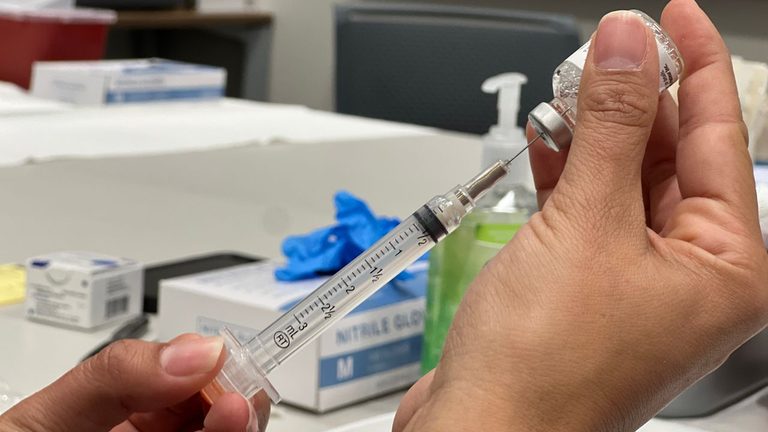
WRAL Investigates has highlighted a concerning dip in measles vaccination coverage across North Carolina. The analysis found that roughly three‑quarters of the state’s 100 counties failed to meet the public‑health target of 95% immunization among school‑age children. Prominent counties such as Wake and Durham were among those falling short, while Cumberland County slipped below the 90% mark.
Expert warning on elimination status
Dr. David Wohl, a professor at the UNC School of Medicine, called the numbers “too low” and cautioned that the decline could threaten the United States’ measles elimination status. “There’s a clear trend where the vast, vast, vast majority of people who are getting measles are either not vaccinated or of unknown vaccine status,” Dr. Wohl said, pointing to recent changes in state policies that have made it easier for families to request vaccine exemptions.
He added that the weakening of herd immunity may soon require travelers to prove measles vaccination when entering other countries, as foreign governments could restrict entry from the United States to prevent the spread of the disease.
Recent case surge
North Carolina reported no measles cases from 2019 through 2023. However, the state saw a sharp rise this winter, with 24 confirmed cases between December 2025 and February 2026. Nationwide, the disease has surged from under 100 confirmed cases in 2000 to more than 5,000 this year, according to the NBC News investigation that first flagged the broader national decline.
Data source and public access
The state health department makes county‑level vaccination data publicly available. Residents can review the figures on the North Carolina Department of Health and Human Services website, which provides a detailed breakdown of immunization rates by county.
What families can do
Parents and guardians are encouraged to verify their children’s vaccination status with their pediatrician and to understand the exemption process in their county. Maintaining high vaccination rates protects not only individual children but also the broader community, especially those who cannot be vaccinated for medical reasons.
Looking ahead
Public‑health officials continue to monitor the situation closely. While the current data show a drop in coverage, ongoing outreach and education efforts aim to reverse the trend before the state loses its measles‑free status. Community leaders, faith groups, and schools are being asked to partner with health authorities to promote the benefits of vaccination and to address misinformation that may be contributing to the rise in exemptions.
Original reporting: WRAL Raleigh — read the source article.