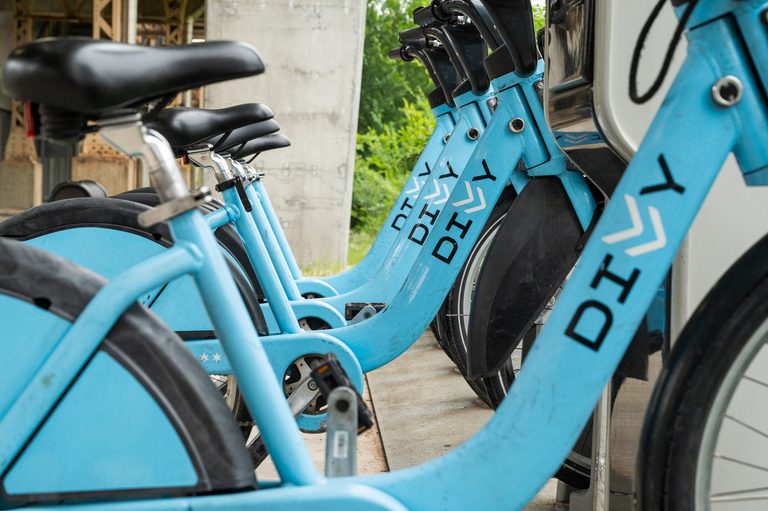
Chicago – A coalition of 25 transportation advocacy and community organizations has formally asked the City Council’s Pedestrian and Traffic Safety Committee to extend the city’s contract with Lyft, the operator of the Divvy bikeshare system. In a letter to the committee, the groups highlighted the need for more affordable rides, a larger bike fleet, additional stations, improved street safety, the preservation of union jobs, and continued city oversight through the Department of Transportation.
Why the extension matters to Chicago residents
The signatories describe Divvy as one of the largest publicly owned bikeshare programs in North America and stress that an extension would safeguard reliable service in every ward. “Chicago has spent over a decade building Divvy into a core element of Chicago’s transportation network,” the letter reads. “We urge the City Council to support this extension and build on the successes of the system moving forward.”
Recent performance and demand
Divvy enjoyed a record‑breaking summer, with more than 3.5 million bike and scooter trips recorded since June 1, according to city data. Both July and August surpassed one million trips each for the first time, underscoring strong rider demand.
Competing interests and public opinion
Lime, the city’s other shared‑micromobility provider, has pushed back on the proposed extension, arguing that the contract would tighten geographic restrictions that limit competing operators. The company released its own polling data, citing a YouGov survey of 800 Chicagoans. The poll found that 58 % support allowing more shared e‑bikes from companies other than Lyft, while 69 % favor expanding shared scooters in the Loop. An even larger 78 % back distributing scooters citywide based on rider demand.
Next steps for the council
The contract extension is slated for consideration by the Pedestrian and Traffic Safety Committee on Friday. Council members had previously deferred a vote after receiving pushback from Lime, but the renewed push from the advocacy coalition signals strong community backing for the continuation of the Lyft‑run program.
Key organizations supporting the extension
- Active Transportation Alliance
- Equiticity
- Better Streets Chicago
- West Town Bikes
These groups, along with several others, argue that maintaining the current arrangement will protect affordable transportation options for residents who rely on Divvy for daily commutes, errands and recreation.
Implications for jobs and oversight
Beyond rider convenience, the coalition emphasizes that the extension would sustain local and union jobs tied to the bikeshare system. Continued city oversight through the Department of Transportation is also highlighted as a safeguard against potential service disruptions or fare increases.
As the council prepares to vote, Chicagoans can expect further public input and debate over how best to balance competition, affordability and reliable micromobility options across the city’s neighborhoods.
Original reporting: Block Club Chicago — read the source article.