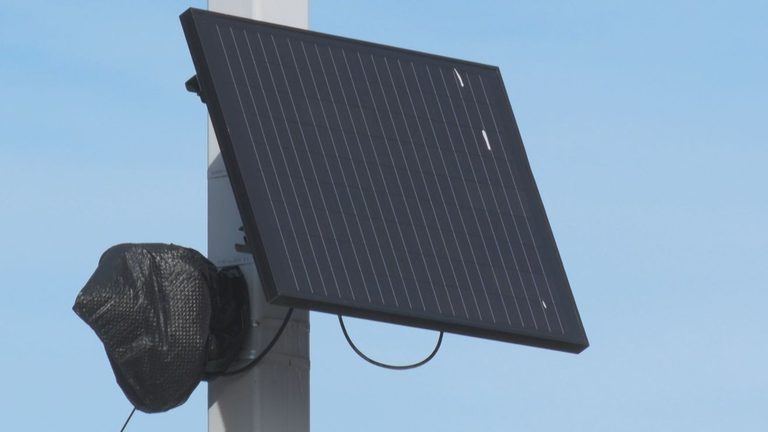
The Providence City Council’s Special Committee on Health, Opportunity, Prosperity, and Education is set to discuss a proposed ordinance that would ban the use of Flock cameras—automated license‑plate readers (ALPRs)—within city limits. The hearing, scheduled for next week, will give both supporters and opponents a chance to present their views before council members decide whether to move the measure forward.
Why the ban is being considered
Proponents of the ban argue that ALPR technology poses a serious threat to privacy. They contend that the cameras can track the movements of innocent drivers, creating a permanent digital record of where citizens travel. “When the government can watch every car that drives through our streets, it erodes the fundamental right to privacy that our Constitution protects,” said local activist Maria Torres, a longtime advocate for civil liberties.
Potential benefits cited by law‑enforcement
Opponents, including members of the Providence Police Department, point to the technology’s proven role in solving crimes. Police spokesperson Lieutenant James Whitaker noted that ALPRs have helped locate stolen vehicles, apprehend suspects in violent felonies, and recover missing persons. “These cameras are a valuable tool that can save lives and bring criminals to justice,” Whitaker said, urging council members to weigh public‑safety benefits against privacy concerns.
How Providence compares nationally
Several cities across the United States have already placed restrictions on ALPR use, citing similar privacy arguments. In neighboring Massachusetts, the city of Cambridge voted to limit data retention periods for license‑plate scans, while in California, San Francisco enacted a citywide ban on the technology in 2023. Providence’s proposed ordinance would join this growing movement, requiring any future deployment of Flock cameras to obtain explicit city approval and to adhere to strict data‑storage limits.
Next steps for the ordinance
If the committee votes to advance the proposal, the ordinance will move to the full City Council for a final vote. Councilors will then have the opportunity to amend the language, set implementation timelines, and determine any exemptions for emergency‑response situations. The council is expected to hold a public hearing on the final version of the bill later this month.
Community response
Local residents have expressed mixed feelings. Some neighborhood groups, such as the Providence Neighborhood Alliance, have organized a petition calling for a complete ban, emphasizing the need to protect family privacy in a community that values traditional family values and personal liberty. Others, like the Providence Business Association, warn that overly restrictive regulations could hinder law‑enforcement effectiveness and potentially impact business security measures.
Both sides agree that any decision should be transparent and grounded in constitutional principles. As the discussion unfolds, Providence officials have pledged to keep the public informed and to ensure that any policy adopted reflects the city’s commitment to safety, liberty, and the privacy of its citizens.
Original reporting: NBC 10 WJAR (Sinclair) – local — read the source article.