The Interior Department released a five‑year strategic plan that would allow the Trump administration to sell or transfer portions of the nation’s public lands to states, tribal governments and local municipalities. The goal, according to officials, is to “decrease the size of the federal estate” and concentrate federal resources on lands deemed “nationally significant,” though the plan does not define that term.
Administration rationale
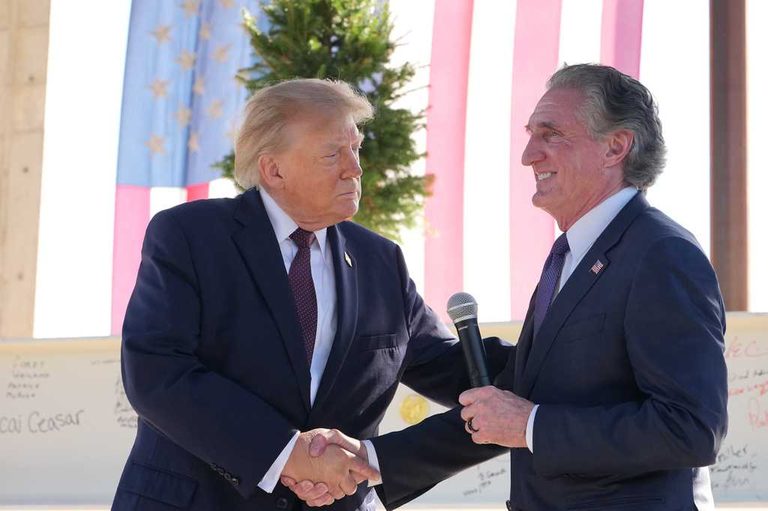
President Trump and Interior Secretary Doug Burgum argue that many federal parcels are under‑utilized and that local control can spur economic development, expand communities and create jobs. The plan also ties land transfers to greater energy production, reflecting the administration’s pro‑fossil‑fuel stance. Proceeds from any sale would partially be returned to the buyer for conservation projects elsewhere, the department said.
What the plan covers
The Interior Department oversees more than 750,000 square miles of land—an area larger than Texas and California combined—plus extensive underground mineral reserves. While the plan mentions land exchanges and sales, it offers no specifics on which parcels might be offered, their locations, or the total acreage involved.
Opposition from lawmakers
Republican Rep. Ryan Zinke, Trump’s former Interior secretary, issued a statement saying he “remains firmly opposed to the sale or transfer of public lands” and pledged to vote against any legislation that moves forward before his term ends. Democratic leaders on the House and Senate natural‑resources committees, buoyed by recent midterm gains, also vowed to block the proposal.
Democratic Sen. Martin Heinrich of New Mexico warned that public lands “belong to the American people, not private interests looking to cash in,” while Rep. Jared Huffman of California called the plan a “scheme to auction off our treasured resources” and said Democrats would “deliver” opposition.
Legal and practical hurdles
Legal scholars note that federal law already restricts the sale of protected lands. Mark Squillace, a professor of natural‑resources law at the University of Colorado, explained that land can only be sold if it is deemed uneconomic to manage and if the transaction serves important public objectives such as community expansion or economic development.
Critics also point out that many western states already have a high percentage of federal land—Nevada, for example, is nearly 80% federally owned—so further transfers could raise concerns about environmental stewardship and long‑term land management.
Local perspectives
Some local officials see potential benefits. Earlier this year, Burgum and HUD Secretary Scott Turner suggested using “underutilized” federal land for affordable housing, noting the need for roughly 7 million homes nationwide. State and municipal leaders in growth corridors argue that greater control could help address housing shortages and infrastructure demands.
Future outlook
The plan outlines priorities through 2030, but future administrations would not be bound by its provisions. As the Trump administration pushes forward, the proposal will face a test in Congress, where bipartisan opposition appears strong.
Original reporting: WPBF West Palm Beach — read the source article.