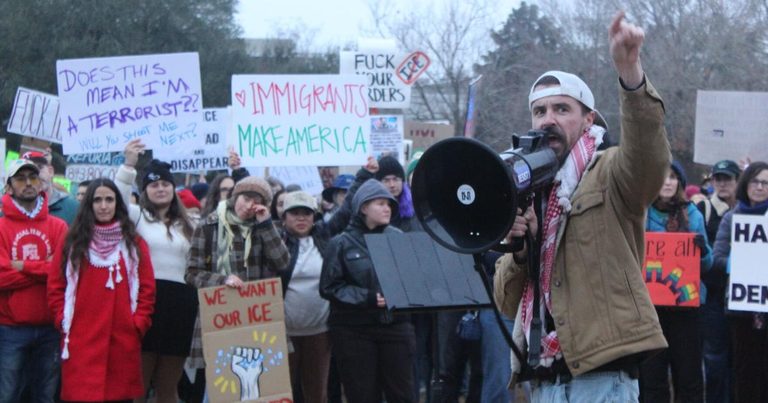
Charleston officials voted to advance amendments to the city’s First Amendment Demonstration Ordinance, a measure that requires police permission for protests involving more than 25 people. The changes, approved at the council’s November 10 meeting, retain the core permit rules but add a quicker appeals process and a content‑neutral waiver for certain special‑event demonstrations.
Under the original ordinance, passed in July 2021, organizers of large gatherings must apply for a permit at least three days in advance, and the police chief can deny requests. Smaller or spontaneous gatherings that occur within 48 hours of a breaking news event remain exempt. The new amendments would allow the Public Safety Committee to review a denied permit appeal at its next meeting, or sooner if a quorum can be met before the scheduled event.
Mayor William Cogswell praised the revisions as a compromise that balances constitutional rights with public safety. “I think this is a great example of a compromise,” Cogswell said. “Not everybody gets everything they want, but a lot of work has gone into this. We’ve tried to be very thoughtful and address the concerns.”
The ordinance’s introductory section now explicitly acknowledges residents’ right to gather and protest peacefully, while also defining the city’s authority to regulate the time, place, and manner of demonstrations and to intervene if a gathering becomes violent or unlawful.
Attorney Meredith McPhail of the American Civil Liberties Union of South Carolina criticized the proposal, arguing that both the original ordinance and the amendments “fall short.” McPhail noted that Charleston has developed a reputation for being “inhospitable to the exercise of First Amendment rights” and urged the council to consider a full repeal.
The amendments also create a waiver process for First Amendment demonstrations that would otherwise require a special‑events permit. Events granted a waiver would be exempt from insurance and special‑events permit requirements but would still be subject to the city’s time‑and‑place rules.
City Council will consider the amendments two more times before a final vote. The next council meeting is scheduled for November 17, giving residents and advocacy groups another opportunity to weigh in on the balance between free expression and orderly public safety.
What’s next: The council will hold a second reading of the amendments on November 17. If approved, the changes will return for a final vote later in the month, after which the revised ordinance would take effect, shaping how future protests and large gatherings are managed in Charleston.
Sources: postandcourier.com