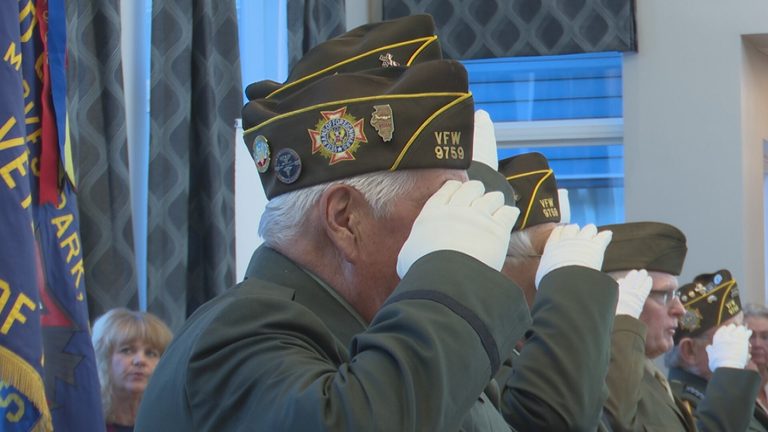
In a ceremony marking Veterans Day, the U.S. House of Representatives approved a major veterans‑benefits package that includes a key provision to increase compensation for an estimated 58,000 combat‑injured retirees. The measure, which enjoys broad bipartisan backing, would allow those retirees to receive full disability compensation without sacrificing a portion of their military retirement pay.
How the bill changes pay for combat‑injured retirees
Under current law, retirees who have less than 20 years of service and who receive Department of Veterans Affairs (VA) disability compensation must forfeit part of their military retirement pay. The new legislation would eliminate that offset, letting eligible veterans keep both streams of income. The Congressional Budget Office estimates the change would raise average monthly compensation by roughly $1,450 per veteran.
Republican financing proposal and Democratic opposition
Republicans introduced a companion bill intended to fund the increase by adjusting how the VA rates certain conditions, specifically tinnitus and sleep apnea. Critics note that the adjustment would lower future disability compensation for some veterans who develop those conditions, though it would not affect veterans already receiving benefits for them. Democrats condemned the trade‑off, with Rep. Raul Ruiz (D‑CA) stating, “It does not take care of veterans. It takes from them.”
Democratic leaders urged their members to oppose the financing measure, arguing that cutting benefits for one group of veterans to fund another is not a proper solution. House Majority Leader Steve Scalise (R‑LA) defended the vote, saying, “If a few of them want to voice objections, they can do so on the floor, but I was proud to support it.”
Procedural drama on the floor
The vote was taken by voice, with Rep. Addison McDowell (R‑NC) announcing the result: “The ayes have it. The bill is passed.” Democrats did not call for a recorded roll‑call vote, and Rep. Mike Bost, chairman of the House Committee on Veterans’ Affairs, accused them of being “asleep at the wheel.” Ranking Democrat Rep. Mark Takano (WA) complained that the minority had no opportunity for a recorded vote, calling the outcome a “shallow, hollow victory” that may not survive Senate scrutiny.
Veterans groups weigh in
Cory Geisler, national commander‑in‑chief of the Veterans of Foreign Wars, criticized the voice vote, urging congressional leaders to allow a recorded vote so the public could see each member’s position. He described the maneuver as “cowardly and dishonorable.”
What comes next
Democrats are preparing their own veterans‑benefits bill, expected to be voted on Thursday. Their proposal does not include offsets and would rely on a discharge petition to force a floor vote. If the Senate ultimately chooses a different version—or rejects both—the issue could return to a Democratic‑controlled Congress next year.
Context of the day
The House’s action coincided with President Trump’s Veterans Day event, underscoring the administration’s commitment to honoring and supporting those who have served. While the legislation reflects a bipartisan desire to improve veterans’ lives, the debate over funding mechanisms highlights ongoing partisan differences on how best to balance the federal budget while caring for America’s heroes.
Original reporting: KCCI Des Moines — read the source article.