In response to growing concerns about the safety of unaccompanied migrant children, the Trump administration has backed stricter sponsor‑screening requirements for the Office of Refugee Resettlement (ORR). The changes, first proposed by the Department of Health and Human Services in June 2026, seek to ensure that children are placed only with vetted, financially stable sponsors.
Why the new rules matter
ORR officials say the updated regulations require sponsors to provide more robust identity documents, proof of income, and undergo comprehensive background checks, including fingerprints and DNA analysis. The agency argues that these steps are essential to prevent placements with individuals who have histories of child abuse or sex offenses – a risk that was highlighted in a 2024 Inspector General report.
Impact on wait times
Data reviewed by Hearst Television’s National Investigative Unit shows average stays in ORR care have risen from about one month in 2021 to nearly four months in 2025, with the current average exceeding six months. While longer stays are a concern, the administration emphasizes that safety must not be sacrificed for speed. “We weighed the potential for delay against the very real safety risks identified,” a senior Trump administration official said.
Family stories illustrate the process
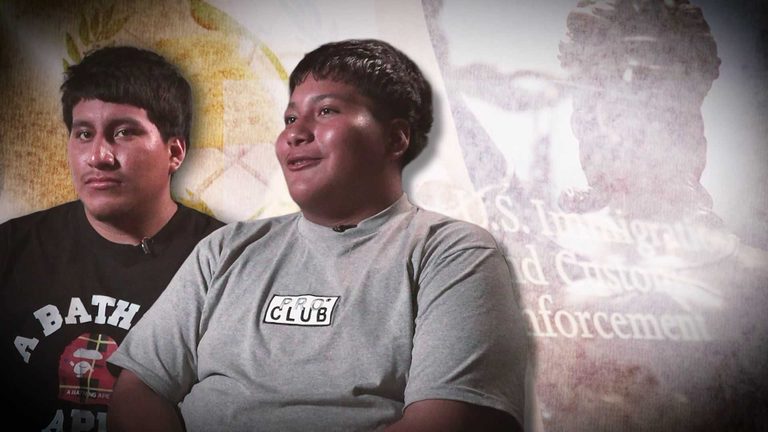
John and Maxwell Barry, brothers who fled Guatemala in 2021, spent three weeks in ORR care before being reunited with their sister in Florida. Their sponsor review moved quickly because their relatives already had established documentation. “ORR was really great. That’s how ORR is supposed to work,” their attorney John Barry noted, underscoring that the system can function efficiently when proper paperwork is in place.
Critics and concerns
Advocates such as Neha Desai of the National Center for Youth Law argue that stricter requirements may deter willing sponsors, especially those fearing detention. Desai claims more than 3,000 potential caregivers have been arrested since November 2025 under a government initiative targeting undocumented individuals. While the administration has not addressed these specific allegations, it maintains that protecting children from exploitation is paramount.
Health implications
Medical experts warn that prolonged uncertainty can exacerbate trauma in children. Dr. Raul Gutierrez, a pediatrician at the University of California, San Francisco, explained that extended periods of “toxic stress” can lead to depression, anxiety, sleep disturbances and hindered social development. The administration cites ORR’s provision of legal services, case managers, medical care and mental‑health support as essential safeguards during the waiting period.
Cost considerations
ORR estimates daily care costs between $375 and $600 per child. With roughly 1,860 children in its custody at the time of the report, the agency’s expenses range from $700,000 to $1.1 million per day. The Trump administration argues that these costs are justified by the added security measures that protect vulnerable children from harm.
Looking ahead
The administration plans to finalize the proposed rulemaking later this year, aiming for a balance that safeguards children while streamlining sponsor approvals where possible. As the nation continues to grapple with immigration challenges, the Trump administration’s focus on rigorous vetting reflects its commitment to family safety, constitutional responsibility, and the well‑being of the nation’s youngest newcomers.
Original reporting: WPBF (Treasure Coast / Hearst) — read the source article.