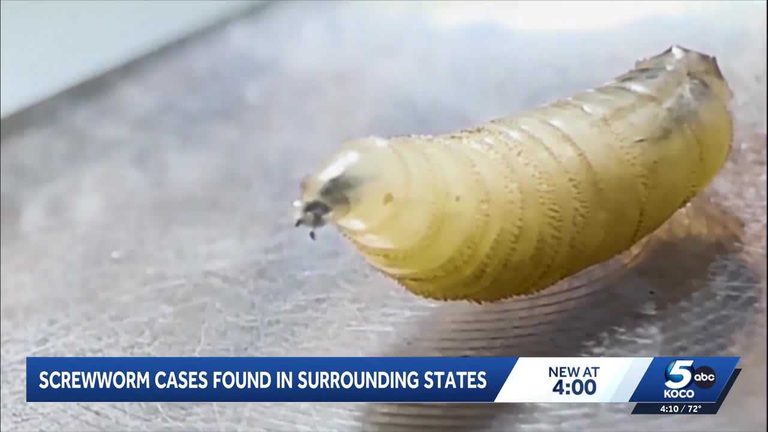
Livestock producers in the Southwest are on high alert as the New World screwworm, a flesh‑eating parasite once eradicated from the United States, resurfaces in record numbers. Since June, over 120 cattle and sheep have been confirmed infested across Texas, New Mexico and Arizona, with November already showing the highest weekly count.
Why the surge matters for Oklahoma farmers
Although no cases have been confirmed inside Oklahoma, the state’s agricultural community is watching the trend closely. “Our concern is livestock,” said Dr. Jonathan Cammack, state extension specialist at Oklahoma State University. “The last time we saw numbers anywhere near this level nationwide was in 1979.”
Cooler temperatures this winter are helping keep the flies from establishing a foothold in Oklahoma, but experts warn that movement of infected animals could quickly change the situation. “These flies can generally only fly six to ten miles in the course of their life, but we can put cows in a trailer and drive them 600 miles in a day,” Cammack explained.
How the parasite works
The tiny fly lays its eggs in open wounds on an animal. When the eggs hatch, the larvae feed on living tissue, causing severe damage and, if untreated, death. Cattle and sheep make up the majority of the reported infestations, according to the U.S. Department of Agriculture.
What officials are doing
In the 1950s and 60s, the USDA successfully eliminated the screwworm by releasing sterile male flies to out‑compete wild ones, a program that eradicated the pest from the United States and much of Central America. The strategy is being revisited as the current outbreak spreads.
“Something happened. We don’t know if it was an illegal movement of livestock through or outside of that barrier zone, and then we’ve got cases 10 or 100 miles away from where we need to be looking,” Cammack said. Researchers are investigating gaps in the historic barrier zone and reviewing transport records to pinpoint how the parasite re‑entered the region.
Steps producers can take
- Inspect all animals daily for open wounds and treat promptly.
- Isolate and treat any infested livestock to prevent fly breeding.
- Work with local extension agents to report suspected cases immediately.
- Consider temporary movement restrictions for high‑risk herds during peak fly season.
Oklahoma State University provides detailed guidance on its website for producers dealing with screwworm threats.
Looking ahead
While the immediate risk to Oklahoma remains low thanks to cooler weather, the rapid rise of cases in neighboring states underscores the need for vigilance. Continued cooperation between state agencies, the USDA, and local producers will be essential to keep the parasite from establishing a permanent presence in the region.
Original reporting: WPBF West Palm Beach — read the source article.