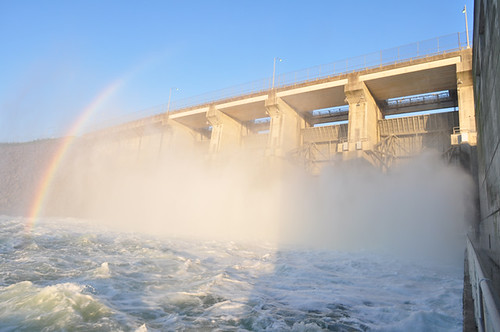
J. Percy Priest Lake was built by the Army Corps of Engineers in 1968 to control flooding on Stones River. The Corps did not intend to give Nashville one of its best outdoor playgrounds. That happened anyway.
The reservoir sits about ten miles east of downtown, straddling the Davidson-Rutherford county line, and covers roughly 14,000 acres of water with another 42,000 acres of surrounding land managed by the Corps. For a city that talks endlessly about its parks and greenways, Percy Priest gets surprisingly little mention in the same breath as Radnor or Shelby Bottoms. That’s not because it’s inferior. It’s because there’s no single dramatic feature to put on a postcard. What it has instead is a lot of everything: boat ramps, swim areas, hiking trails, coves quiet enough to feel genuinely remote, and a coastline that actually looks like Tennessee instead of a resort brochure.
The easiest entry point is Cook Recreation Area off Bell Road in Antioch, which has a swim beach, picnic shelters, and a boat ramp. Day use runs $5 per vehicle, which in 2024 dollars is basically free. Anderson Road Fitness Trail on the northwest side of the lake is a paved loop of about two and a half miles that gets heavy use from Southeast Nashville runners who have figured out that it’s flatter and shadier than most road alternatives. For something longer, the South Harpeth Trail out near the Poole Knobs area connects to rougher, wooded terrain with actual elevation change and far fewer people.
The lake is at its best between late April and early October, though the shoulder months are worth considering if you want to avoid the boat traffic that turns the main channels loud on summer weekends. Bring a kayak or rent one through any number of outfitters that stage near the marinas — Old Hickory Lake gets more attention from the fishing crowd, but Percy Priest holds its own for crappie, largemouth, and catfish if you know where to drop a line.
A few things worth knowing before you go: the swim beaches have no lifeguards, the cell signal in some of the more remote coves is genuinely bad, and the Corps campgrounds at Poole Knobs and Seven Points book up fast for summer weekends, often weeks out. Seven Points in particular has sites close enough to the water that you can hear it at night, which either sounds appealing or it doesn’t, and your answer to that is probably a decent indicator of whether Percy Priest is your place.
What it isn’t is a manicured urban park with a coffee stand and a dog-wash station. The facilities are basic Corps-of-Engineers functional — clean, maintained, unadorned. The tradeoff is that on a Tuesday in September, you can find a cove off a gravel road where the only sounds are the water and whatever you brought with you. For a metro area of two million people, that’s a harder trick than it looks.