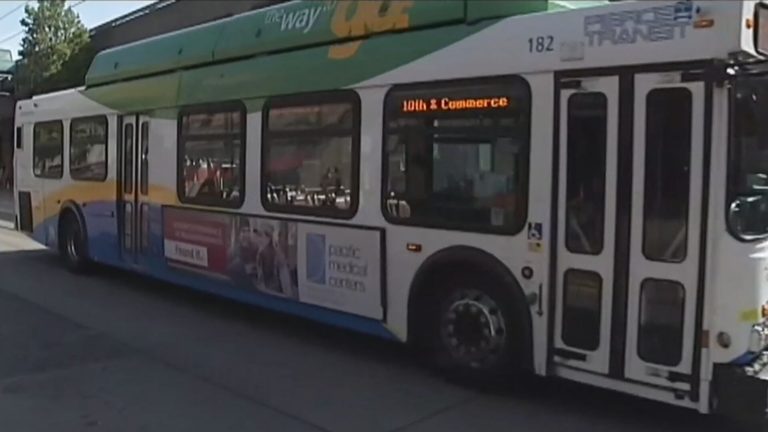
In a decisive move for regional mobility, the Pierce Transit Board of Commissioners met on November 9 and unanimously gave CEO Mike Griffus the authority to purchase or refurbish a maximum of 60 buses. The board’s action follows what officials describe as clear voter support for Proposition 1, a measure that would fund the expansion of the county’s public‑transport system.
Why the expansion matters
Griffus told the board, “Our community sent a clear message that they want a more connected, reliable transit system.” He emphasized that nationwide supply‑chain backlogs have made it essential to lock in manufacturing slots now, ensuring that new routes can be launched and wait times reduced without unnecessary delays.
Funding and voter sentiment
Proposition 1, currently on the ballot, proposes a dedicated funding stream for transit improvements. While the measure has not yet been certified, the board’s confidence reflects polling and public comments indicating strong local backing. If the proposition passes, Pierce Transit will move quickly to execute vendor contracts, bringing new, used, and refurbished buses into service as soon as possible.
Impact on riders and the community
The additional buses are expected to expand service coverage, improve frequency on existing routes, and enable the creation of new lines that connect underserved neighborhoods. Residents who rely on public transportation for work, school, and medical appointments stand to benefit from shorter wait times and more reliable connections.
Next steps
Should Proposition 1 be approved by voters, the transit agency will begin the procurement process immediately, working with manufacturers and refurbishers to meet the 60‑bus ceiling. The board will continue to monitor supply‑chain conditions and adjust timelines as needed to keep the project on track.
Local officials and community leaders have praised the board’s proactive stance, noting that a modernized fleet is a cornerstone of economic growth and quality of life in Pierce County. By securing vehicles now, the agency aims to avoid future bottlenecks and keep the transit system responsive to the region’s growing population.
Original reporting: KIRO 7 (Tacoma / Pierce County stories) — read the source article.