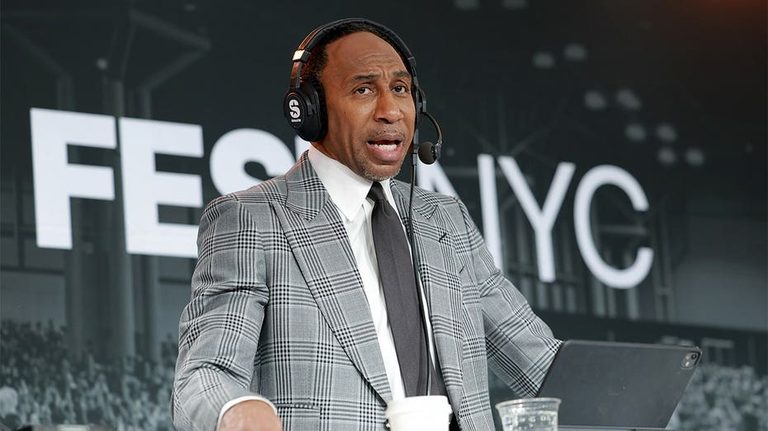
During a mid‑October conversation at the White House, ESPN commentator Stephen A. Smith told President Trump that the administration’s aggressive rollback of diversity, equity and inclusion (DEI) initiatives may be having an unintended side effect. Smith, a graduate of a historically Black college or university (HBCU), said private donors are now hesitant to give to HBCUs because they fear their gifts could be labeled a DEI effort and attract government scrutiny.
President’s response
President Trump acknowledged that he had not fully considered this chilling effect and promised to look into the matter. He emphasized that opposition to race‑based mandates is not anti‑Black, but rather a defense of merit‑based opportunity and equal treatment under the law.
Why the concern matters
Critics of DEI argue that programs that impose racial quotas, “check‑the‑box” hiring or elevate identity over competence violate federal anti‑discrimination statutes and replace political fashion with individual achievement. When federal agencies, corporations and advocacy groups treat any race‑conscious activity as suspect, rational actors may avoid the perceived risk altogether.
Smith noted that several federal research awards and outreach programs involving HBCUs have been paused or terminated after officials determined they conflicted with the administration’s anti‑DEI directives. Private foundations and corporate philanthropists have followed suit, pulling back support that once flowed freely to these institutions.
Potential impact on Black institutions
If the trend continues, the result could be a de‑facto hands‑off policy toward HBCUs and other minority‑serving institutions, even when the stated motive is color‑blind risk avoidance. That outcome would undermine free‑market principles and equal opportunity, which benefit all Americans, including Black communities.
HBCUs have historically played a outsized role in educating Black professionals and creating pathways into engineering, medicine, education, business and other fields. Voluntary corporate support for skills training, small‑business capital and recruiting is distinct from mandatory racial quotas in corporate boardrooms or university admissions. The former expands the pool of qualified competitors; the latter distorts competition once that pool exists.
Conservative perspective
Conservatives and free‑market advocates who oppose DEI stress the need to separate opposition to race‑based mandates from hostility toward Black institutions. Silence on the chilling effect would give critics ammunition to claim the true goal is exclusion rather than fairness.
The constitutional and economic case against race preferences is strongest when paired with a clear commitment to expanding access: better K‑12 preparation, vocational pathways, capital formation and the removal of unnecessary licensing and regulatory barriers that limit entry for everyone.
Looking ahead
President Trump’s pledge to review the issue signals that the administration will consider how anti‑DEI policies affect philanthropy to HBCUs. The goal, according to the president and Smith, is a system that expands competition and judges results on merit, not ancestry. Such a system aligns with both constitutional principles and practical outcomes, treating Black Americans as full participants rather than subjects of a political project.
Original reporting: Fox News (HLL/CB) — read the source article.