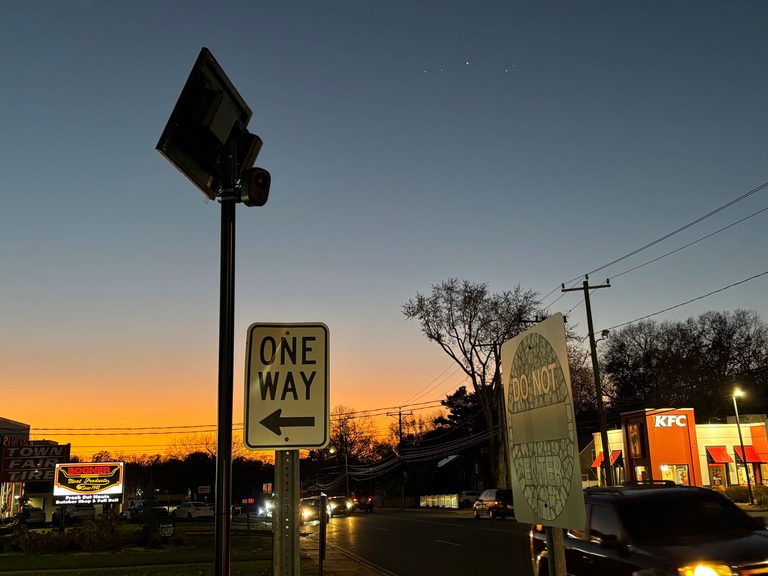
On Tuesday night, the Manchester Board of Directors voted 5‑4 to terminate the town’s contract with Flock Safety and to dismantle the 18 automated license plate reader cameras that have been operating across the community. The resolution requires the cameras to be shut down, covered, and removed before the end of the year.
Privacy concerns drive the decision
Public comment sessions lasted for hours, with a clear majority of speakers opposing the cameras. Residents expressed worries that the data collected could be misused or shared without consent. Laura Cassenti, a vocal opponent, emphasized the importance of keeping personal information private: “That data has to be private. That can’t be shared. We need to make sure our information are safe.”
Supporters cite law‑enforcement benefits
While the majority opposed the program, a smaller group defended the cameras as valuable tools for police investigations. Supporters pointed to a recent stabbing case in which the technology helped police secure an arrest. Steve Allard, a supporter, questioned the board’s move, saying, “Why are you tying their hands? I don’t understand this. If it was your child, your grandchild, your wife, your girlfriend, your boyfriend that gets killed, you’d want them to have all the resources.”
Manchester joins other Connecticut towns
With this vote, Manchester becomes the fourth Connecticut town to end its Flock Safety camera program, following Windsor, Killingworth and Ledyard. Each of those municipalities previously cited similar privacy concerns when they chose to discontinue the technology.
Next steps for the town
The board’s resolution mandates that the cameras be fully deactivated and physically covered before removal. Town officials will coordinate with the vendor to ensure a secure dismantling process that protects any stored data. The decision reflects a growing trend among local governments to balance public‑safety tools with the constitutional right to privacy.
Community response
Residents who attended the meeting expressed a mix of relief and disappointment. Those favoring removal praised the board’s commitment to safeguarding personal information, while opponents warned that the loss of the cameras could hinder police investigations and potentially affect public safety. The town plans to continue the conversation about alternative methods for supporting law‑enforcement efforts without compromising privacy.
Manchester’s decision underscores the importance of local input in shaping technology policies that affect everyday life. As more municipalities evaluate the trade‑offs between surveillance capabilities and civil liberties, the outcome in Manchester may serve as a reference point for future debates across the state.
Original reporting: NBC Connecticut (Hartford) — read the source article.