TOLEDO, Ohio – Residents of the greater Toledo area should prepare for a winter that feels more like early fall than the deep freeze many expect. NOAA’s latest U.S. Winter Outlook indicates that a strong to very strong El Niño will dominate the Pacific Ocean through the January‑March period, shaping weather patterns across the United States.
What is El Niño?
El Niño is the warm phase of the El Niño‑Southern Oscillation, a natural cycle of ocean temperature changes in the central and eastern equatorial Pacific. When sea‑surface temperatures sit at least 0.5°C above normal for five consecutive overlapping three‑month periods, the warm water releases heat into the atmosphere, altering jet streams and storm tracks.
How the pattern will affect Ohio
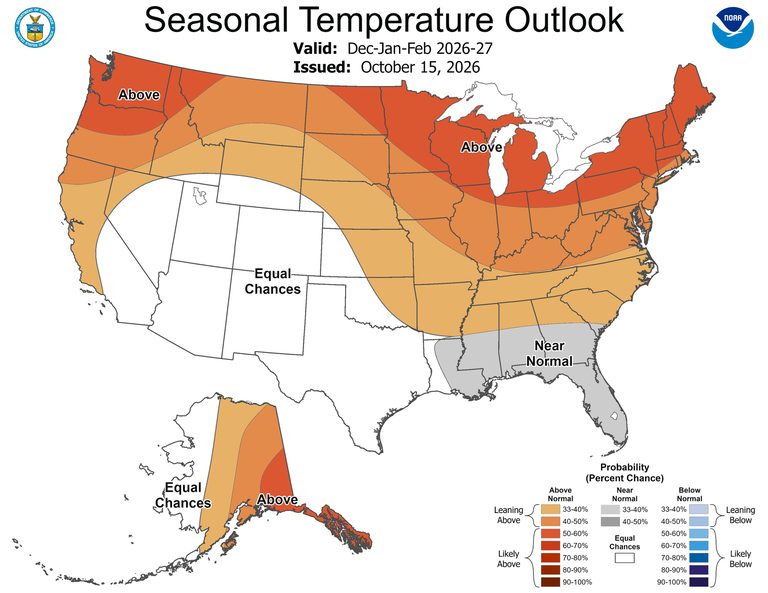
Historically, El Niño brings milder air to the northern United States during winter. For Ohio, that means the Toledo region and the broader northern part of the state can expect above‑average temperatures, reducing the likelihood of prolonged sub‑zero spells. Conversely, the southern portion of the state – including areas like Dayton and the Ohio River Valley – is projected to see above‑average precipitation, with a mix of rain and snow depending on temperature fluctuations.
The East Coast, from the Mid‑Atlantic up through New England, is also slated for wetter conditions, as the altered jet stream directs more storm systems toward the Atlantic seaboard. Residents should watch for heavier rain events and the potential for coastal flooding in low‑lying areas.
What this means for daily life
For families and businesses in Toledo, the milder temperatures may reduce heating costs and lessen the strain on the power grid. However, the increased moisture could lead to more frequent road slickness, especially when rain turns to freezing rain or snow in the southern parts of the state. Local officials advise drivers to keep winter tires handy and to stay alert for sudden changes in road conditions.
Agricultural producers should also note the shift. Crops that benefit from a longer growing season may see a modest boost, while excess moisture could pose challenges for planting and harvesting schedules later in the year.
What NOAA says
NOAA’s Climate Prediction Center emphasizes that while El Niño sets the broad stage, regional variations will still occur. The agency recommends that local emergency managers continue to monitor short‑term forecasts and maintain readiness for any severe weather events that may arise despite the overall trend toward milder temperatures.
In short, Ohio’s winter under the current El Niño is shaping up to be a blend of warmer days in the north and wetter conditions in the south. Residents should plan accordingly, taking advantage of the milder weather while staying prepared for the increased precipitation that could affect travel, agriculture, and daily routines.
Original reporting: 13abc WTVG Toledo (news) — read the source article.