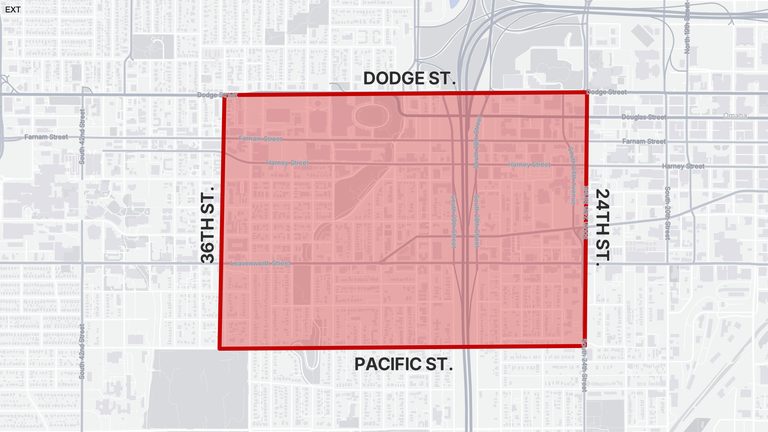
The Omaha City Council voted to label a portion of Central Omaha—including Midtown Crossing and Blackstone—as an “extremely blighted area.” The designation covers the corridor from 24th Street to 36th Street and from Dodge Street to Pacific Street. Council members said the move is intended to target neighborhoods that still face high unemployment and poverty rates, allowing developers to tap tax‑increment financing (TIF) for qualifying projects.
Resident pushback
Long‑time resident Lisa Kammerer expressed frustration, saying the label does not reflect the improvements she has witnessed over nearly three decades. “That’s just so frustrating. It’s wrong, and I’m really upset with the city council,” Kammerer told 3 News Now reporter Jeremy Fredricks. She pointed to thriving destinations such as Blackstone and Midtown Crossing, noting that out‑of‑town visitors regularly patronize those areas, which she believes contradicts a “blighted” characterization.
City rationale
Bridget Hadley of the Omaha Planning Department explained that the designation is based on measurable factors, including elevated unemployment and poverty levels. “What we’re trying to do is target those areas that need more intensive economic revitalization,” Hadley said. The TIF tool will enable developers to receive financing for projects that meet specific criteria, with the goal of generating new jobs and tax revenue for the city.
Development opportunities
The newly defined area also includes a segment that will be served by the Omaha Streetcar, currently under construction. Development along the streetcar route is already underway, and city officials anticipate that the transit investment will further stimulate private investment.
Scott Dobbe of GreenSlate Development Partners voiced optimism about the neighborhoods. “We’re among the biggest believers in these neighborhoods,” Dobbe said. “That’s precisely why we’re looking to invest there.” GreenSlate and other developers see the TIF designation as a signal that the city is committed to supporting revitalization efforts.
Historical perspective
Kammerer recalled that, 29 years ago, the area struggled with issues such as panhandling in residential driveways. She noted that the neighborhood has steadily improved since then, highlighting the transformation of the local environment. While some residents feel the blighted label is outdated, city planners argue that targeted incentives are still needed to address lingering economic challenges.
Next steps
The council’s decision paves the way for developers to submit TIF applications for projects that meet the city’s criteria. As proposals move forward, Omaha officials will monitor progress to ensure that revitalization efforts deliver tangible benefits for long‑time residents and new investors alike.
Community members are encouraged to stay informed about upcoming development plans and to participate in future public meetings where the city will discuss the implementation of TIF projects within the designated area.
Original reporting: KMTV 3 News Now (Scripps) – local — read the source article.