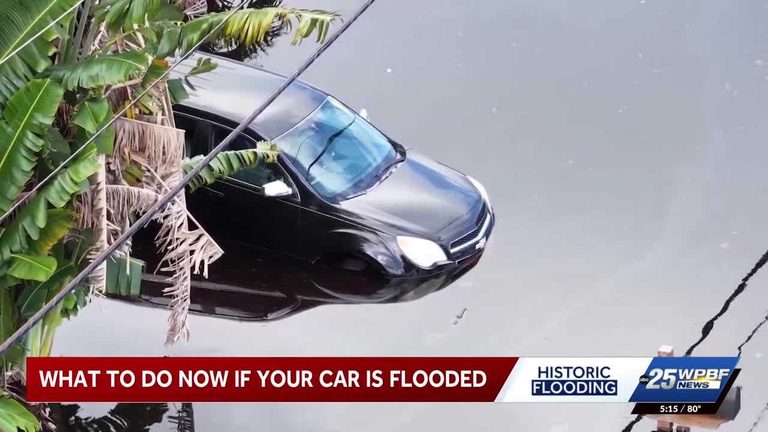
Communities across Florida are still cleaning up after last week’s historic flooding, and many residents are discovering that their cars have taken on water. The good news is that, for most drivers, auto insurance will cover the loss—provided the claim is handled correctly.
Do Not Start the Engine
The first rule of thumb is simple: do not start a flooded vehicle. Turning the key can cause severe engine damage, turning a repairable problem into a total loss. If the car is submerged or has visible water inside, keep it stationary and call a tow service.
Understand Your Coverage
Comprehensive coverage is the part of an auto policy that protects against non‑collision events such as flood, wind, hail, theft, vandalism and similar perils. Mark Friedlander, spokesperson for the Insurance Information Institute in Florida, notes that the majority of drivers in the state carry this coverage because of the high risk of weather‑related damage.
“Comprehensive coverage protects you from flood damage,” Friedlander said. “It covers all non‑collision losses such as flood, wind damage, hail, theft, vandalism, and things of that nature.”
File Your Claim Promptly
Timing matters. Friedlander advises filing a claim as soon as possible after the incident. An adjuster will be assigned to guide you through the process, request photos, and arrange an inspection if needed.
“An adjuster will be assigned to your claim, and they will walk you through the next steps. Do they want photos? Do they want other information? Will they be sending somebody out to assess the damage?” Friedlander explained.
Intentional Driving Can Void Coverage
Insurance will generally cover damage that results from a sudden act of nature beyond your control. However, if you deliberately drive through a flooded roadway, many insurers will deny the claim, even if you have comprehensive coverage.
“If you take an intentional action, such as trying to drive through a flooded street, in many cases your claim will be denied,” Friedlander warned. “That claim can be denied even if you have comprehensive coverage.”
When Is Coverage Likely?
If your vehicle was parked in a lot, driveway, or on the street and water entered without any intentional action on your part, the loss is typically covered. The insurer will then determine whether the car can be repaired or is a total loss.
Gap Coverage and Rental Cars
Should your car be declared a total loss, gap coverage can help bridge the difference between the vehicle’s actual cash value and any remaining loan or lease balance.
In the meantime, many policies include rental‑car coverage for up to 30 days, or a per‑diem rate, providing short‑term transportation while you shop for a replacement.
Next Steps for Affected Drivers
- Do not start the engine; arrange for towing.
- Document the damage with photos.
- Contact your insurer immediately to start the claim.
- Ask the adjuster about rental‑car benefits and gap coverage.
By following these steps, Florida drivers can navigate the aftermath of flooding with confidence, protect their finances, and get back on the road as quickly as possible.
Original reporting: WPBF West Palm Beach — read the source article.