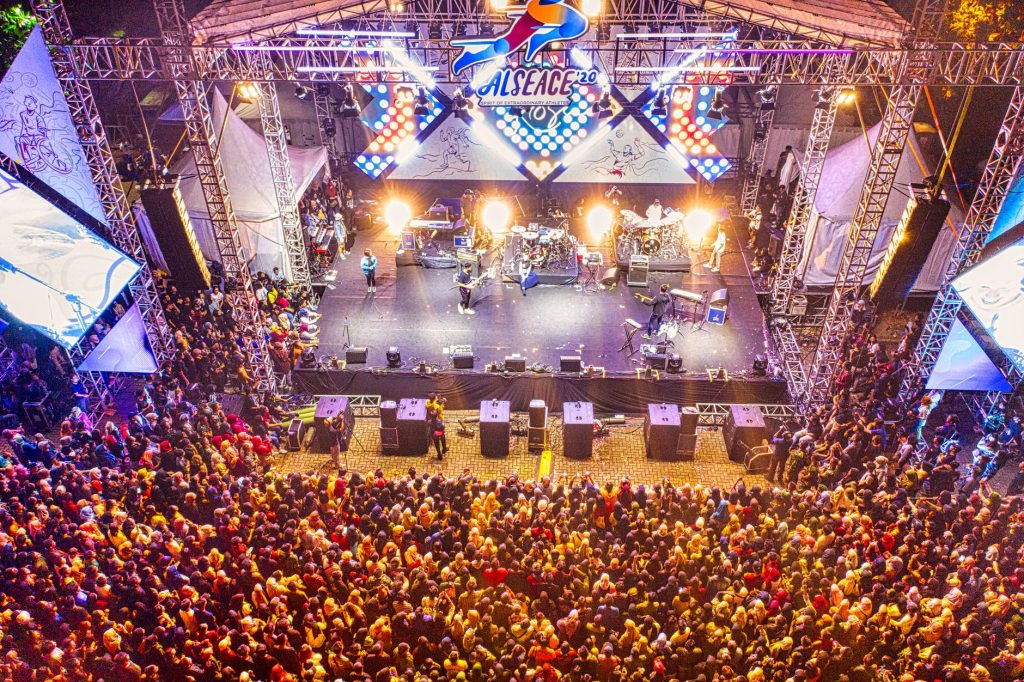
By mid-August, the stretch of Bethlehem near the Lehigh River smells like funnel cake and spilled lager, and the PA systems on a dozen stages are all running at once. Musikfest has been doing this every summer since 1984, and the people who show up do not look like tourists — they look like regulars who have been counting down since Memorial Day.
The festival is technically rooted in Bethlehem, but Allentown has long functioned as its cultural and logistical engine. Residents make up the bulk of the volunteer corps, the food vendors, and the audience, and many Allentownians treat the ten-day run as an unofficial city holiday. Schools schedule around it. Local restaurants brace for it. The Lehigh Valley’s calendar bends toward it.
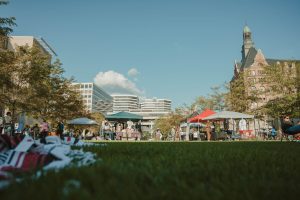
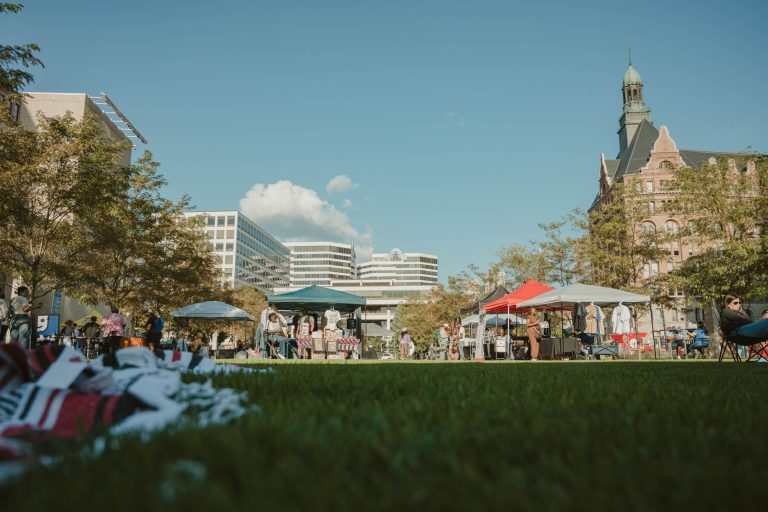
What makes Musikfest unusual among summer festivals is sheer scale without obvious chaos. Roughly a million people pass through over the course of the event, spread across close to fifteen venues ranging from intimate outdoor plazas to the ArtsQuest Center’s main indoor stage. The booking leans broad — some years the headliners are legacy rock acts, other years country, R&B, or Latin pop. What stays consistent is the depth of the supporting lineup: regional bands, local jazz ensembles, polka groups, acoustic folk acts playing afternoon slots for whatever crowd drifts in. On any given afternoon, it is possible to wander from a bluegrass trio into a salsa band without buying a ticket to either.
That is worth noting because general admission to most of the outdoor stages is free. The gate charge is nothing. The money comes out for parking, food, and the ticketed headliner concerts at the larger indoor and outdoor venues. A family with modest expectations can spend an entire afternoon there for the cost of two soft pretzels and a cup of Yuengling.
The food footprint is substantial — pierogies, haluski, kielbasa, and funnel cake anchor the more traditional corners, while newer vendors have added pupusas, birria tacos, and Korean street food to the rotation. The eating is not gourmet, but it is honest, and the portions are sized for people who have been walking in the heat for three hours.
Crowds peak sharply on weekends, particularly Friday and Saturday evenings when headliners draw full capacity. The less obvious move is a Tuesday or Wednesday late afternoon: the food lines are shorter, the stages are still fully programmed, and there is enough breathing room to actually find a seat near the water. Families with small children tend to cluster earlier in the day near the craft and cultural activity areas. The older crowd — the people who have been coming since the first year — tend to stake out the same corner of the same plaza every year as though the bench belongs to them, which in a certain practical sense it does.
The festival runs from early to mid-August annually. Specific dates shift slightly each year, so checking the ArtsQuest website in spring is the reliable move. Parking in Bethlehem during peak nights requires either patience or early arrival; the shuttle lots and walking routes from further out are genuinely worth using. Comfortable shoes are not optional.
Musikfest has the kind of institutional weight that makes locals defensive about it. They know it draws crowds, know the beer lines get long, know some of the headliners feel like a compromise. They come anyway, year after year, because the version of the Lehigh Valley it shows — loud, sweaty, bilingual, polka-adjacent, running on pierogies — is not exactly inaccurate.