Kentucky’s public‑health department announced Tuesday that the state is confronting its largest measles outbreak in decades, with 207 confirmed cases reported in 2026. The surge is heavily concentrated in three counties: Christian County leads with 66 cases, followed by Laurel County with 56 and Trigg County with 32. Together, these three counties account for roughly three‑quarters of all infections.
Hospitalizations and severity
Thirteen of the confirmed patients have been hospitalized, but there have been no reported deaths. Health officials stress that while most cases have been mild, measles can cause serious complications, especially for young children, including pneumonia and, in rare instances, brain swelling.
Vaccination status of those infected
The Kentucky Department for Public Health’s dashboard shows that 205 of the 207 cases are either unvaccinated or have an unknown vaccination status. Only one individual had received a single dose of the measles, mumps and rubella (MMR) vaccine, and another had documented receipt of at least two doses.
Timeline of the outbreak
Cases accelerated rapidly in late summer and early fall. The state’s online dashboard recorded 96 illness onsets in September and 57 in October, indicating a sharp increase as the school year began.
Why measles spreads so easily
Measles is a highly contagious respiratory illness that spreads through the air. The virus can linger in the air for up to two hours after an infected person leaves an area, making it especially dangerous in crowded indoor settings such as schools, churches and community events.
Symptoms to watch for
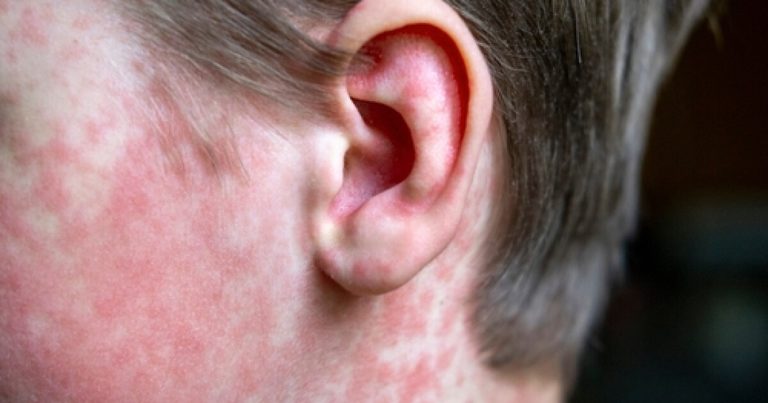
Early signs include high fever, cough, runny nose and red, watery eyes. After eight to twelve days of exposure, a characteristic rash typically appears, beginning on the face and spreading downward over three to five days.
Vaccination remains the best defense
Health officials continue to urge parents and caregivers to verify that children are up to date on their immunizations. Two doses of the MMR vaccine are about 97% effective at preventing measles, while a single dose offers roughly 93% protection.
Local response and resources
County health departments in Christian, Laurel and Trigg are working closely with schools, churches and community groups to provide information, testing and, where needed, vaccination clinics. Residents are encouraged to contact their local health department if they suspect exposure or need guidance on obtaining the vaccine.
What families can do
Parents should check their children’s vaccination records and schedule any missing MMR doses promptly. For families with concerns about vaccine safety, the Kentucky Department for Public Health offers resources and direct lines of communication with medical professionals to address questions.
Looking ahead
Officials will continue to monitor the outbreak closely, updating the public dashboard with new case counts and hospitalization data. The goal remains to curb transmission through rapid vaccination efforts and public education, protecting Kentucky’s children and broader community from this preventable disease.
Original reporting: LEX18 Lexington (local) — read the source article.