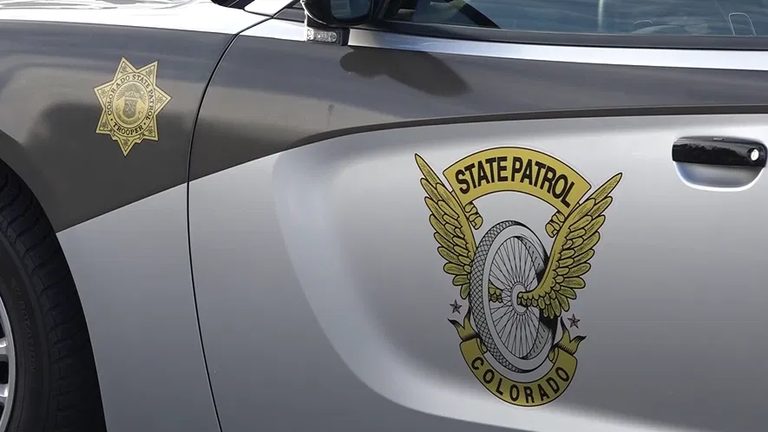
Colorado residents should start getting their vehicles ready for winter now, according to the Colorado State Patrol (CSP). The agency reports that November was its busiest month for winter‑weather crashes last year, with more than 2,450 collisions tied to snow and ice. With forecasters predicting a snowier‑than‑average season across much of the state, CSP officials say early preparation can keep families safe on the roads.
Five essential winter‑vehicle checks
1. Inspect tires and tread depth. Winter tires or all‑season tires with at least 6/32″ of tread provide better traction on icy surfaces. If the tread is worn, replace the tires before the first big snowstorm.
2. Verify fluid levels. Check that antifreeze, windshield‑washer fluid, and engine oil are at the proper concentrations for low temperatures. Using a winter‑grade oil can help the engine start more easily on cold mornings.
3. Test battery health. Cold weather reduces a battery’s cranking power. Have the battery tested at a reputable shop and replace it if the charge is below 12.4 volts.
4. Ensure lights and wipers work. Clean all exterior lights and replace any burnt‑out bulbs. Install winter‑rated wiper blades and keep a bottle of de‑icing fluid in the vehicle for quick clearing of windshields.
5. Pack an emergency kit. A basic kit should include a blanket, extra clothing, non‑perishable snacks, water, a flashlight, a first‑aid kit, and a small shovel. Adding sand or kitty litter can provide traction if a vehicle gets stuck.
Why the timing matters
“The first few snow and ice events of every season can create some chaos on our roadways, especially if drivers aren’t prepared,” said Col. Matthew C. Packard, chief of the Colorado State Patrol. “Now is the time for drivers to change their mindset and driving behaviors to match the road conditions.”
Col. Packard emphasizes that preparation goes beyond the vehicle itself. Reducing speed, increasing following distance, and allowing extra time for travel are critical habits during winter storms. He also reminds motorists to stay informed through local weather alerts and CSP’s social‑media channels.
Local resources
Colorado residents can find additional safety information on the CSP website, which includes downloadable checklists and video tutorials. Many community colleges and auto‑repair shops are offering free tire‑pressure checks and battery tests during the month of November.
For real‑time road‑condition updates, drivers should tune in to local radio stations, check the Colorado Department of Transportation’s (CDOT) 511 service, or follow the Colorado State Patrol’s Twitter feed.
Stay connected
Colorado State Patrol’s advice is part of a broader effort to keep families safe during the upcoming winter months. By taking these five steps now, drivers can help reduce the number of crashes and keep Colorado’s roads moving smoothly throughout the season.
Original reporting: KRDO (Colorado Springs metro) — read the source article.