Wisconsin is set to receive a minimum of $219 million over the next decade from a multi‑state settlement with Meta, the parent company of Facebook and Instagram. The settlement addresses claims that the platforms harmed children’s mental health, and a share of the funds is being positioned to strengthen after‑school and summer programs that serve vulnerable youth.
Local leaders push for dedicated funding
Wisconsin Partnership for Kids, a coalition that advocates for sustainable state financing of after‑school and summer programs, is asking that $10 million each year be directed straight to programs like the Safe Place after‑school site at Gwen T. Jackson School. Coalition organizer Jackie Scott also wants 20 percent of the annual settlement amount placed into an endowment to ensure long‑term stability.
“We see after‑school programs as the antidote to a lot of what ails us,” Scott said. “The hours from 3 p.m. to 6 p.m. are when children are least supervised and most likely to be on their phones. Programs can fill that time with in‑person connection and trusted adult guidance.”
Attorney General’s role
Attorney General Josh Kaul, who was re‑elected this month, confirmed that the Wisconsin Department of Justice is actively reviewing how to allocate the settlement dollars. Kaul noted that at least half of the settlement must target youth mental health and social‑media harms, making after‑school programs an eligible use.
“After‑school programs are certainly important,” Kaul said. “We’re still working out the precise distribution, but we’ve heard from many community members who want these funds to support their kids.”
Current challenges for local programs
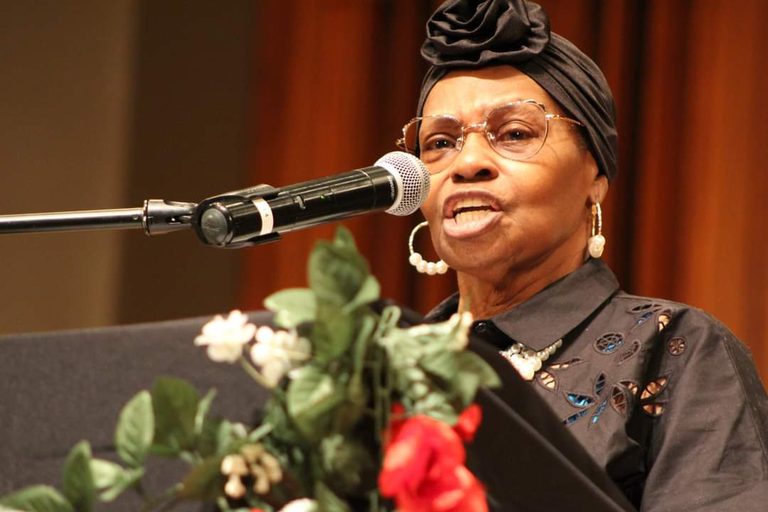
Programs across the state have struggled with dwindling resources. Neu‑Life Community Development’s Safe Place after‑school program at Jackson School currently offers on‑site social‑worker support when trauma strikes, and connects families to clinical mental‑health providers at its other sites. Executive Director Jody Rhodes said the program is now far more proactive than it was eight or nine years ago, but funding remains tight.
“It’s a constant hustle to keep all our kids served,” Rhodes said.
Similarly, the Boys & Girls Clubs of Greater Milwaukee faced a near‑closure of more than half its school‑based sites in the summer of 2025 after federal pandemic‑relief money arrived late. The clubs eventually stayed open when the funds were released, but the latest round of funding was cut by 14 percent after fifteen years of flat support.
Statewide need for belonging and mental health
The state Office of Children’s Mental Health’s 2025 annual report showed a decline in the sense of belonging among high‑school students, dropping from 73.7 percent in 2013 to 53.6 percent in 2023. The report linked participation in extracurricular activities with lower rates of depression and anxiety, underscoring the importance of after‑school options.
Advocates argue that the Meta settlement can help bridge the gap until more permanent state funding is secured. Scott emphasized that the settlement is only a starting point: “Ten years seems like a long time, but it’s really not. I want to see investments at every level of government.”
Looking beyond Wisconsin
Other states are already using settlement or grant money to expand after‑school services. Michigan’s grant program grew from $10 million in 2021 to $135 million for the 2026‑27 fiscal year, while Idaho directs a portion of its tobacco settlement into a Millennium Fund that supports after‑school grants.
Wisconsin’s upcoming allocation will be watched closely as a model for how settlement money can be leveraged to protect children’s mental health and keep them engaged in safe, supervised environments after school.
Original reporting: Wisconsin Watch — read the source article.