What do you do with a Saturday morning in Savannah when the squares start to feel like a loop you’ve already walked twice? That’s the question that leads a lot of people, eventually, out to Pooler — about twenty minutes west on I-16 — to the National Museum of the Mighty Eighth Air Force.
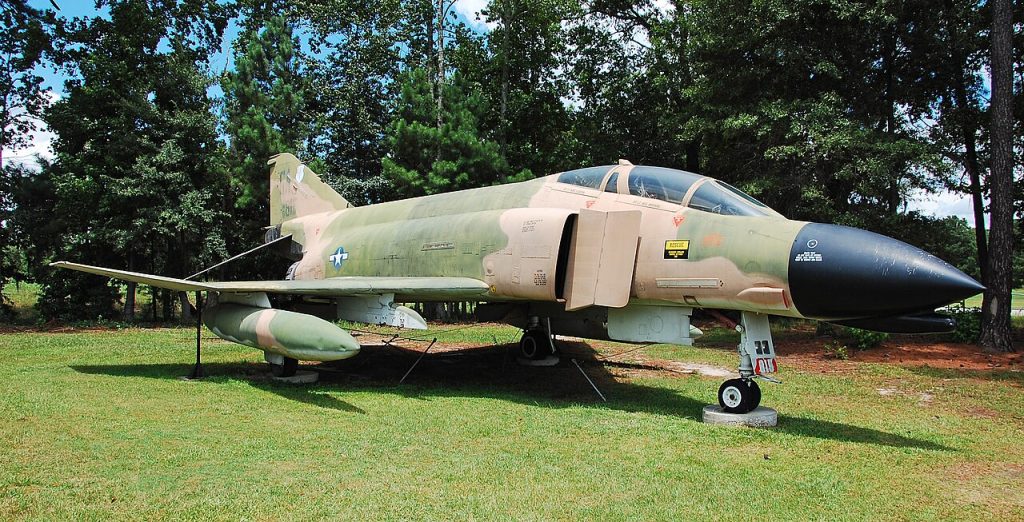
The museum sits on the grounds where the Eighth Air Force was activated in 1942, and it covers the full sweep of that command’s history: from the early, brutal missions over Nazi-occupied Europe to the Cold War and beyond. That context matters. This isn’t a room of old propellers with cardboard placards. It’s a serious institution, and it moves like one.
The first thing most people stop at is the B-17 Flying Fortress in the main gallery — a real one, restored, big enough to make you rethink everything you assumed about what it meant to fly in one. The crew of ten men shared a fuselage roughly the size of a school bus hallway, at altitude, in freezing temperatures, with flak coming through the skin. The museum does a good job of making that tangible without being gratuitous about it. Crew diaries, flight logs, personal photographs — the archival material is dense and readable.
There’s also a full-scale replica of a World War II-era English village chapel, which sounds like a strange addition until you’re standing inside it and understand what it was for: a place for young men to sit quietly before missions they might not come back from. It’s one of the more affecting rooms in any museum in Georgia, and most visitors spend longer in it than they planned.
The Medal of Honor Garden outside recognizes recipients from the Eighth Air Force specifically, and it’s maintained well — a good place to walk for a few minutes before or after the indoor galleries.
Admission runs about $20 for adults, less for seniors, military, and kids. Plan on two to three hours if you’re reading carefully; a quick visit can be done in ninety minutes. The museum has a café on site, which is convenient given that Pooler doesn’t have much walkable around it. The gift shop is better than average — actual books, not just keychains.
What makes this worth the drive from downtown is the specificity. The Eighth Air Force flew more than 350,000 missions and lost over 26,000 men killed in action. That scale is hard to hold in your head. The museum keeps pulling it back down to individual stories — a tail gunner from rural Georgia, a navigator who kept his mission diary — and that’s where it earns its place. You come out knowing something you didn’t know going in, and that’s not always a guarantee with military museums.
Go on a weekday if you can. Weekends draw school groups and bus tours, which aren’t a problem exactly, but the galleries are quieter and more contemplative on a Tuesday. Parking is free, the building is fully accessible, and the staff — many of them volunteers, some of them veterans — are genuinely knowledgeable if you want to ask questions.