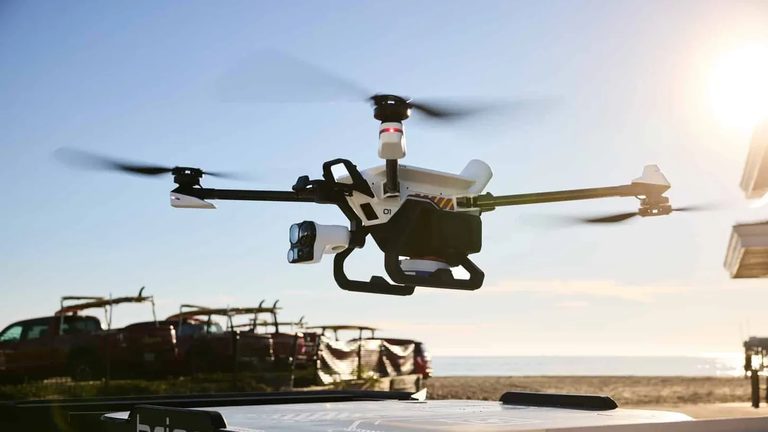
West Valley City residents will soon learn if their police department can deploy three BRINC response drones without paying a dime for the first twelve months. The city council is scheduled to vote on Tuesday, Nov. 10, on a contract with Motorola Solutions that would provide a docked “Guardian” drone, a vehicle‑launched “Responder,” and an indoor “Lemur 2” drone for emergency response.
According to dronexl.co, the deal is structured as a six‑year subscription. The first year is free; years two through six would cost $174,997 per year, for a total quoted price of $874,985. Motorola’s paperwork allows West Valley to terminate the agreement “for convenience” at any point within the first year, or up to 30 days before the first paid year begins, without penalty. If the city gives proper notice, it would owe nothing when the free year ends.
Police Chief Colleen Jacobs told council members on Oct. 27 that the drones are intended for rapid emergency response—not surveillance. She noted that earlier demonstrations cut response times and avoided unnecessary officer dispatches because staff could assess a call remotely before sending personnel. Councilmember Scott Harmon added that the new drones cost more than those used in the department’s prior trial.
During the free‑year trial, the aircraft remain the property of BRINC, and West Valley would be responsible only for damage not covered by the support plan. Title to the drones would transfer to the city when the first paid year begins. The contract also makes BRINC the sole Drone‑as‑First‑Responder (DFR) supplier for the trial period, preventing the city from purchasing or deploying competing autonomous drones until the paid years commence.
Motorola’s quote, issued Sep. 15, was secured through a Sourcewell cooperative purchasing contract after competitive bidding. The company led BRINC’s $125 million funding round in July and plans to integrate the drones with its CommandCentral software, radios, and license‑plate readers.
West Valley already holds an FAA Certificate of Waiver (91.113‑2026‑00385) effective Apr. 1, 2026 through Apr. 30, 2030, which permits beyond‑visual‑line‑of‑sight (BVLOS) flights below 200 feet, provided pilots use ADS‑B detection and anti‑collision lighting visible for three statute miles at night.
What’s next: The council’s vote on Nov. 10 will determine whether the city moves forward with the free‑year trial. If approved, the department can begin using the drones immediately, but must issue a written cancellation notice by the 30‑day deadline before the first paid year if it wishes to walk away. Motorola’s quote expires Nov. 14, adding urgency to the council’s decision.
Sources: dronexl.co