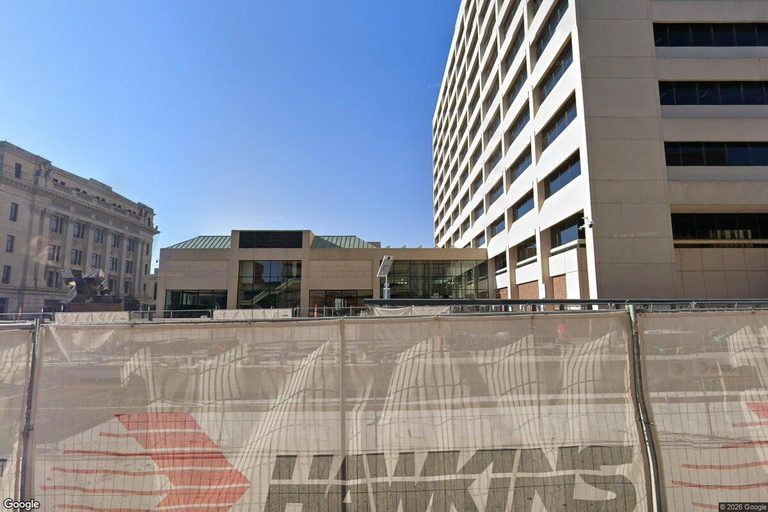
The Omaha Planning Board unanimously approved a $34 million tax‑increment financing (TIF) request on Tuesday, clearing the next hurdle for the $323 million Civic Square redevelopment—also known as The Nest—on the former Civic Auditorium site. The vote, 6‑0, follows endorsements from both the TIF Committee and Omaha Planning Department staff, according to Hoodline.
Civic Corner LLC, a subsidiary of White Lotus Group, filed the financing request after purchasing the roughly eight‑acre parcel near 19th and Capitol streets for about $1.4 million in 2023. The developer’s plan envisions a ten‑building, six‑phase project that would add approximately 380 apartments, 30 for‑sale condominiums, 120 hotel rooms, 125,000 sq ft of office space, 150,000 sq ft of retail, a fitness center and a grocery store. The first phase would include 120 apartments—some market‑rate and others aimed at low‑ to moderate‑income tenants—plus street‑level retail, with a building height of up to five stories.
Project costs have risen from an earlier estimate of more than $200 million to the current $323 million, and the development is projected to be completed around 2032. City documents cite an expected addition of nearly $210 million in property value and the creation of about 80 jobs.
The financing request comes amid a years‑long dispute between the city and Civic Corner. Omaha officials said the developer missed a September 2025 deadline to begin vertical construction, prompting a notice of default and an attempted property repurchase. White Lotus contested those claims, saying key infrastructure—sanitary and storm sewers, concrete streets, and a new OPPD power grid—was already in place, and that workers were laying a road near 17th and Davenport.
In January, Civic Corner sued the city, alleging the municipality interfered with its investment and courted a rival developer backed by Omaha Public Schools and the Sherwood Foundation. The city withdrew its counterclaims in August 2026, removing the default notice and clearing the title, though litigation over damages remains ongoing.
Tax‑increment financing, which channels future property‑tax revenue from a site to fund eligible project costs for up to 20 years, has been a cornerstone of Omaha’s growth strategy. The city approved 22 TIF projects in 2025, providing $52 million in loans to support $424 million in total development, according to Grow Omaha.
What’s next: The $34 million TIF request now heads to the Omaha City Council for final approval. If approved, the developer plans to restart infrastructure work next spring or summer before breaking ground on the first‑phase buildings.
Sources: hoodline.com