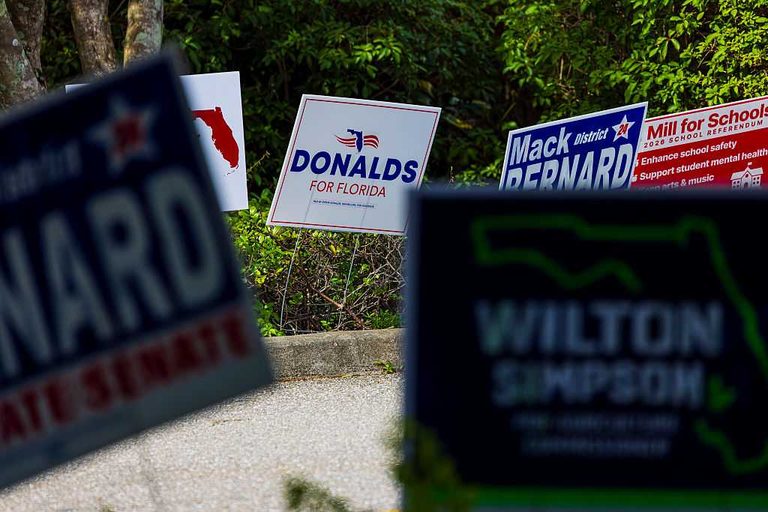
Florida Gulf Coast University (FGCU) political science assistant professor Bethany Conrad appeared on WESH 2 on Monday night to unpack the 2026 midterm election results. Conrad, an expert in national and Florida politics, offered a clear, data‑driven analysis of how voters across the state and the country responded to the latest ballot measures and congressional races.
Key takeaways from the midterm vote
Conrad began by noting that voter turnout in Florida rose modestly compared with the 2022 midterms, reflecting increased engagement among both Republican and Democratic constituencies. She pointed out that the Republican Party retained its majority in the U.S. House of Representatives, while the Senate remained closely divided, with a few pivotal swing‑state races still being contested.
On the state level, Florida’s congressional delegation saw a slight shift toward the GOP, with two previously Democratic‑held seats flipping to Republican control. Conrad emphasized that these gains were driven largely by strong performances in suburban districts that had trended Democratic in recent cycles.
Policy implications for Floridians
Conrad highlighted several policy areas that the election results will likely influence. She explained that the renewed Republican majority in the House is expected to push forward legislation focused on border security, tax relief for families, and school choice initiatives—issues that align with traditional family values and individual liberty.
Conversely, Democratic lawmakers are expected to prioritize climate resilience, especially given Florida’s ongoing challenges with rising sea levels and hurricane recovery. Conrad noted that bipartisan cooperation on infrastructure funding could emerge, as both parties recognize the need for robust road and water‑system improvements.
What the numbers mean for voters
When asked about the impact on everyday Floridians, Conrad stressed that the midterm outcomes signal a continued emphasis on economic stability and community safety. She urged voters to stay informed about upcoming ballot measures, particularly those affecting property taxes, local school funding, and parental‑rights issues in education.
Conrad also reminded viewers that the next election cycle will bring new opportunities for citizen participation, encouraging residents to register early and engage with their local representatives.
Looking ahead
In closing, Conrad expressed optimism that the political landscape will remain dynamic, with both parties working to address the concerns of families across the Sunshine State. She urged viewers to watch future WESH 2 coverage for ongoing analysis and to keep the conversation alive in their own communities.
Original reporting: WESH Orlando — read the source article.