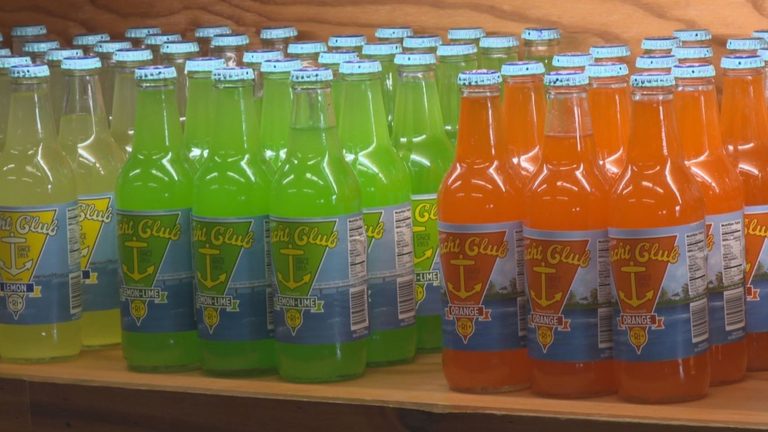
North Providence, R.I. – Yacht Club Soda, a local family business that has been bottling beverages since 1915, is confronting a persistent problem with Meta’s automated content‑moderation tools. President John Sgambato says the company’s social‑media posts are repeatedly blocked because the platform’s AI mistakenly identifies the soda as an alcoholic drink.
AI misidentification and repeated restrictions
According to Sgambato, the AI chatbot attributes the restriction to the glass bottles used for the soda. Each time he requests a manual review, the block is lifted, only to return about thirty seconds later. “After the clearing, 30 seconds later, we’re restricted again,” he explained.
The restrictions are labeled “inappropriate,” a designation that could hurt the company’s ability to advertise on Meta’s platforms, which are essential for reaching local customers.
Family legacy under pressure
Yacht Club Soda remains a multigenerational operation. Sgambato’s grandfather began working for the company in 1935 and purchased it in 1960. “It’s kind of like one of those things you take a lot of pride in,” Sgambato said, emphasizing the personal stakes involved.
He has exchanged hundreds of messages with Meta’s AI chatbot, but the system has not transferred his case to a human representative. One chatbot response even acknowledged, “we know that this is a problem on our end,” yet no further assistance was provided.
Broader challenges for the business
In addition to the social‑media issue, Yacht Club Soda is dealing with external pressures such as Canadian tariffs on its products. “It’s just another thing we shouldn’t have to deal with,” Sgambato added, underscoring the cumulative impact on the family’s operations.
Meta has not responded to requests for comment from NBC 10, leaving the company to continue navigating the automated restrictions on its own.
What this means for local businesses
Yacht Club Soda’s experience highlights a growing concern for small, family‑owned enterprises that rely on large tech platforms for marketing. When automated systems misclassify content, the resulting disruptions can affect sales, brand visibility, and ultimately the livelihood of local workers.
Community members and local officials may consider reaching out to Meta on behalf of the business, or exploring alternative advertising channels to mitigate the impact of these AI‑driven errors.
Looking ahead
Sgambato remains hopeful that Meta will address the issue more effectively. “We just want a fair chance to promote our product without being mistaken for something it isn’t,” he said.
Original reporting: NBC 10 WJAR (Sinclair) – local — read the source article.