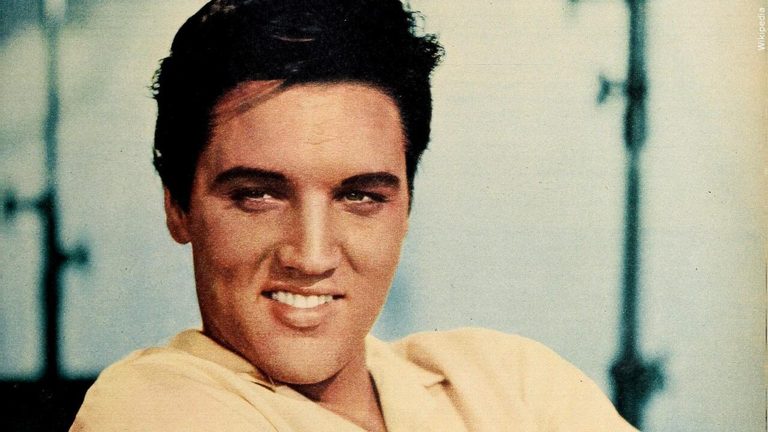
MEMPHIS, Tenn. – Elvis Presley Enterprises brought a lawsuit on Nov. 6 in the U.S. District Court for the Northern District of California accusing Suno, Inc., an online generative‑AI music platform, of illegally profiting from the late rock‑and‑roll icon’s voice, image and copyrighted songs.
Background on the ELVIS Act
In March 2024, Tennessee Governor Bill Lee signed the Ensuring Likeness, Voice and Image Security (ELVIS) Act into law. The statute specifically bars the use of artificial intelligence to replicate a performer’s voice without the artist’s consent and extends existing image and likeness protections to cover vocal performances.
Allegations against Suno
According to the complaint, Suno allows users to generate up to ten songs per day for free, requiring no lyric or melody writing. The company, founded in 2022 and based in Massachusetts, allegedly used Presley’s voice and recordings to create new tracks, generating revenue that the estate estimates exceeds $50 million.
The filing quotes the King of Rock ’n’ Roll: “The image is one thing and the human being is another… it’s very hard to live up to an image.” The suit argues Suno “stolen Elvis’ voice, his image, and likeness … on a breathtaking scale” and calls for an injunction to stop further infringement, the destruction of unauthorized copies, and monetary damages to be determined at trial.
Why the lawsuit matters
Elvis Presley Enterprises says Suno exemplifies why the ELVIS Act was essential: it protects artists’ creative labor and ensures that the humanity, history, and triumph embodied in a performer’s identity cannot be harvested by AI without proper licensing. The estate’s legal action underscores a growing national debate over how intellectual‑property law should adapt to rapidly advancing generative‑AI technologies.
Industry response
While Suno has not yet issued a public comment, other AI music companies have noted the need for clear licensing frameworks. Legal experts point out that the ELVIS Act could set a precedent for future state‑level protections of performers’ voices, potentially influencing federal policy discussions.
Next steps
The court will consider the request for a preliminary injunction, which, if granted, could halt Suno’s use of Presley’s voice while the case proceeds. The outcome may shape how AI‑generated content is regulated across the entertainment industry.
Original reporting: Action News 5 WMC (Gray) — read the source article.