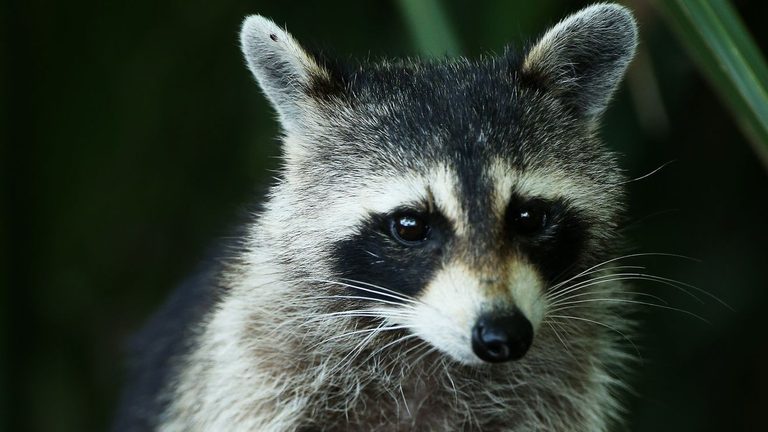
Two raccoons discovered in the Green Earth Avenue area of Johnston and the Plainfield Pike area of Coventry have tested positive for rabies, according to the Rhode Island Department of Health (RIDOH). The findings come amid a significant increase in rabid wildlife across the state, with 48 animals confirmed positive so far in 2026—well above the five‑year average of 25 cases per year.
What the Numbers Mean for Residents
Rabies remains a deadly disease that attacks the central nervous system and is fatal if treatment is not started before symptoms appear. While human cases are rare, the virus can be transmitted through the bite or scratch of an infected animal, making swift action essential.
RIDOH officials stress that the recent uptick is largely driven by raccoons, bats, and skunks, but a cat, a coyote, and a woodchuck have also tested positive this year. The department’s surveillance efforts have helped identify these cases early, allowing for timely public‑health messaging.
How to Protect Yourself and Your Pets
Anyone who may have had direct contact with the infected raccoons should call RIDOH at 401‑222‑2577 during regular business hours (Monday‑Friday, 8:30 a.m.‑4:30 p.m.) or 401‑276‑8046 after hours. A nurse will assess the exposure and determine whether post‑exposure treatment is needed. Prompt treatment is critical; it must begin before any rabies symptoms develop.
Pet owners should also be vigilant. If a dog, cat, or ferret may have been exposed, contact RIDOH, the local animal‑control officer, and a veterinarian immediately. State law requires these animals to be current on their rabies vaccinations, a safeguard that protects both pets and the community.
Community Response and Ongoing Efforts
Local officials in Johnston and Coventry are working closely with RIDOH to monitor wildlife activity and educate the public. Town health departments have distributed flyers and posted notices in community centers, reminding residents to avoid handling wildlife and to report any suspicious animal behavior.
The department also conducts routine testing of wildlife found dead or injured, a practice that has proven effective in tracking the spread of the virus. By maintaining a robust testing program, RIDOH can quickly identify hotspots and allocate resources where they are needed most.
Why Vaccination Matters
Keeping pets up‑to‑date on rabies shots is the most reliable line of defense. The vaccine is safe, inexpensive, and required by law for dogs, cats, and ferrets. Unvaccinated animals not only risk severe illness but also pose a public‑health threat by potentially transmitting the virus to humans.
Residents are encouraged to verify their pets’ vaccination records and schedule any overdue shots with their veterinarians. For those unsure of their pet’s status, RIDOH provides a list of licensed veterinarians throughout the state.
Looking Ahead
While the current numbers are concerning, RIDOH remains confident that continued public awareness and strict adherence to vaccination requirements will curb the spread of rabies. The department will keep the public informed as new data become available and will continue to work with local municipalities to protect the health and safety of Rhode Island families.
Original reporting: NBC 10 WJAR (Sinclair) – local — read the source article.